

*This product is for routine maintenance and not for medical use.
Ankle braces are a common type of sports brace that provides extra support and protection for the ankle joint, helping to prevent sprains or improve walking stability. As we age or in daily life and sports, the importance of protecting our ankles cannot be ignored! This article will answer common questions about ankle braces and teach you how to use sports braces and adjust your lifestyle to improve ankle stability.

I. Usage and Selection Recommendations for Ankle Braces
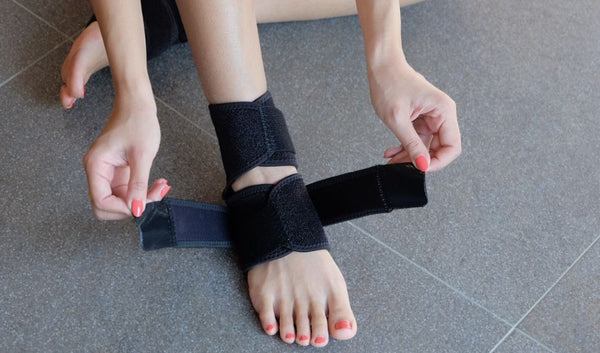
How do you use an ankle brace?
Ankle braces are very easy to use:
-
Wear the ankle brace around your ankle, making sure it fits comfortably, neither too tight nor too loose.
-
Some ankle braces feature Velcro straps, bandages, or adjustable tightness to adjust pressure and stability as needed.
-
After wearing it, ensure that your range of motion is not overly restricted and that you feel comfortable wearing it.
How to choose the right ankle brace for yourself?
When choosing an ankle brace, please pay attention to the following points:
-
Support strength : Choose the appropriate support strength according to your needs. For example, a thin ankle brace is suitable for light exercise, while a reinforced support type can be selected for high-intensity exercise.
-
Material : A breathable material can reduce stuffiness and improve wearing comfort.
-
Size : Choose the right size. Too tight will affect blood circulation, while too loose will not provide support.
-
Ease of dressing and undressing : Especially when used by the elderly, a simple and easy-to-dress design is particularly important.

II. Who is suitable to use ankle braces?
1. People who exercise frequently : If you enjoy sports such as basketball, soccer, and running, are you worried about spraining your ankle? Ankle braces can provide stable support during exercise and reduce the risk of ankle injury due to sudden stops or jumps.
2. For older adults who want to improve walking stability : As we age, our ankles may become less stable. Ankle braces can provide extra support and reduce the risk of falls during daily walking.
3. People who stand or walk for long periods of time <br />If you need to stand or walk for long periods of time every day (such as teachers, service industry workers, etc.), ankle braces can reduce the burden on your ankles and make your feet feel more relaxed.
4. People with a history of ankle discomfort <br />If you are prone to ankle instability in daily life or have a history of sprains, ankle braces can provide support and help you regain a stable gait.

III. Tips for Daily Ankle Care
While ankle braces provide extra support, ankle health also requires daily care and strength training. Here are a few simple and practical methods:
1. Strengthen ankle muscles and improve stability.
-
Toe lift training :
-
Stand with your feet shoulder-width apart, heels off the ground, supporting your body only on your toes.
-
Hold for a few seconds, then release. Repeat 10-15 times.
-
-
Ankle circles :
-
While sitting or lying down, lift one leg and make 10 circles clockwise and 10 circles counterclockwise, with the ankle joint as the center.
-
This movement can relax the ankle and improve flexibility.
-
2. Wear suitable shoes.
-
Choose shoes with good support and shock absorption, such as athletic shoes or comfortable walking shoes.
-
Avoid wearing high heels or shoes with hard soles to reduce ankle pressure.
3. Adjust daily walking habits
-
When walking, make sure your heel lands first, and then transition to your toes lifting off the ground to avoid dragging your steps.
-
Slow down while walking and focus on maintaining a steady pace.

IV. Usage Scenarios and Benefits of Using Ankle Braces
1. Preventive use in high-risk sports <br />When participating in sports such as basketball, football, and volleyball that require frequent sudden stops and turns, ankle braces can stabilize the ankle joint during exercise and reduce the risk of injury.
2. Support during long walks <br />Ankle braces can reduce pressure on the ankle joint and increase foot comfort when walking or standing for long periods of time.
3. During hiking and outdoor activities : When walking on uneven terrain, the extra support provided by the ankle brace can reduce the likelihood of ankle sprains, allowing you to play with more peace of mind.
4. Assistive use in rehabilitation training <br />When used in conjunction with simple rehabilitation exercises (such as toe lifts and ankle rotations), ankle braces can stabilize the joints and help gradually restore ankle strength.

V. Precautions for using ankle braces
1. Wearing it correctly is important . Before wearing it, check that the ankle brace is intact and undamaged, and ensure that it can provide proper support.
2. Avoid prolonged use that is too tight. Ankle braces should not impede blood circulation, so they should not be worn too tightly, especially for extended periods.
3. Regular Cleaning and Replacement <br />Ankle braces should be cleaned regularly to keep them clean and to check for damage or loss of elasticity. If damaged, they should be replaced promptly.

Ankle braces are a great help for daily walking and exercise.
Ankle braces are more than just sports gear; they're a great helper for stabilizing your ankles and improving walking comfort. Whether you're an athlete, an office worker, or a senior, ankle braces provide extra support and protection. Combined with simple daily ankle exercises and proper walking habits, your feet will become healthier and stronger! Choose an ankle brace that suits you and start taking good care of your ankles today!