
*This product is for routine maintenance and not for medical use.
Statistics show that 84% of people have experienced lower back discomfort. Some choose to use lumbar support products to provide extra support and protect their lower back, especially those who spend long periods bending over, lifting heavy objects, or standing all day. These occupations put the lower back at high risk of injury. Using a lumbar support product before lifting or carrying heavy objects can effectively protect the back muscles and prevent strains. However, with so many lumbar support products on the market, how do you choose the right one for you?
First, let's introduce the following types of people who may need a back brace:
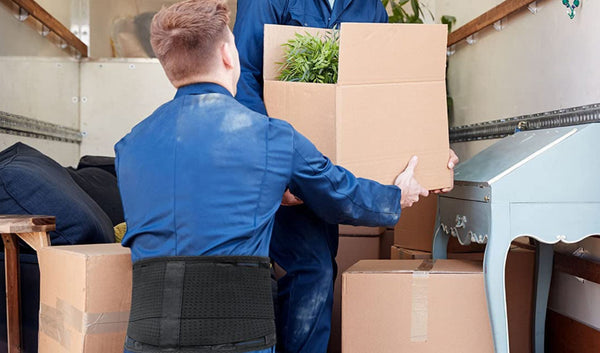
Manual laborers: People who stand or sit for long periods of time or frequently lift heavy objects, such as construction workers, warehouse workers, and porters, may experience back fatigue due to prolonged physical activity and may therefore need to use a lumbar support belt for additional support.
For office workers who sit for long periods: Sitting in an office chair for extended periods, especially for those who maintain the same posture for extended periods, can lead to lower back and back discomfort. Using lightweight office lumbar supports can help maintain proper posture.
Athletes: Certain sports or weight training can put extra stress on the lower back. Using a fitness belt can provide extra support during weightlifting or high-intensity training, helping to maintain proper posture.
Drivers who drive for long periods: Long driving periods can lead to lumbar fatigue, so some drivers may choose to use a lumbar support belt to alleviate this fatigue.
People with lumbar problems: People suffering from lumbar disc herniation, severe lower back pain, scoliosis, etc. may be advised by their doctors to use a lumbar support belt with a specific shape and support to alleviate symptoms and provide additional support.
Pregnant women: Some pregnant women may experience lower back discomfort during pregnancy, especially in the later stages. Using a maternity back brace can provide extra support and reduce pressure on the lumbar spine and pelvis.
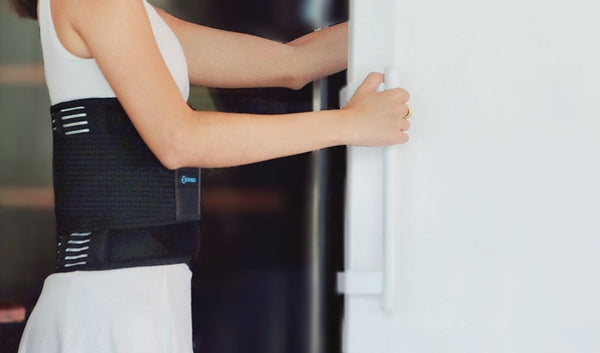
When choosing a back brace, you should consider the following important factors to ensure that the product you choose meets your needs and physical condition:
Physical condition and needs: First, consider your back health and the purpose of wearing a lumbar support belt. Is it for everyday support or for specific activities? These factors will influence the type of lumbar support you need.
Effective lumbar support that fully covers the lumbar spine: A lumbar support should fit well and be comfortable, neither too tight nor too loose. When choosing, consider a supportive lumbar support, as it provides better support and effectively distributes pressure on the lower back.
Design and breathable materials: Different lumbar supports come in different designs and materials. Some may be soft and breathable, while others may be more durable and supportive. Choose the right material and design based on your needs and comfort.
Adjustable triangular pads and compression straps: The Espandi lumbar support features adjustable straps and/or triangular pads. The padding position can be freely adjusted according to the desired support area, providing a secure and comfortable feel with excellent support. Additionally, the lumbar support features elastic pressure bands on both sides, the tightness of which can be adjusted to ensure a more secure and stable fit.
Comfort: Most importantly, the lumbar support should be comfortable. Choose a style that won't cause discomfort or chafing so you can wear it for extended periods.
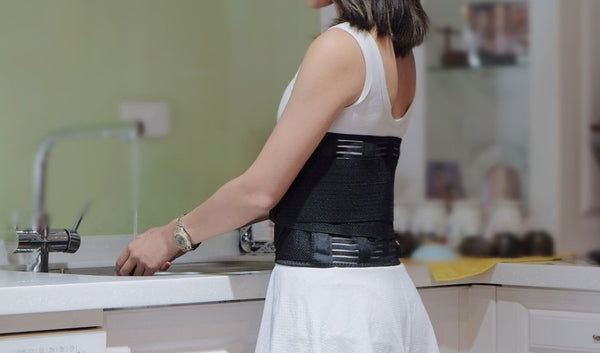
Can I wear a lumbar support belt during exercise?
It can be worn for outdoor activities, daily maintenance, work and housework, and lower back discomfort. However, it is recommended to wear it after strenuous exercise such as playing ball.
Different people have different levels of comfort and needs. Some people may feel more stable and secure when wearing a lumbar support belt, depending on their individual needs and comfort levels.