
Neck and Shoulder Ache? 5 Easy Ways for Office Workers to Loosen Up in 5 Minutes

The short answer: neck and shoulder ache mostly comes from muscle tension caused by long hours of sitting, looking down for long periods and stress. We suggest stretching your neck and shoulders every 30 minutes of work, adding some massage, using heat for 15 to 20 minutes for long-standing aches, raising your screen to eye level and keeping your shoulders relaxed rather than hunched. If the ache lasts more than a month, or you have symptoms such as numb hands or headaches, please see a doctor.
This article is general health information. Braces give support and a posture reminder and do not treat any condition. See a doctor if you have symptoms.

Neck and shoulder ache is one of the most common complaints among office workers today. Eight hours a day at a desk, staring at a screen and looking down at your phone keep the neck muscles tense for long periods, and over time they can become inflamed and stiff, and can even affect your sleep.
If you often finish work struggling to turn your head and your shoulders ache at the slightest touch, this article is for you. The 5 tips below need no equipment and can be done at the office; 5 minutes a day, done consistently, is a great start.
5 tips for easing neck and shoulder ache
Neck and shoulder ache is a common problem these days. Whether you sit in an office all day or spend hours looking down at your phone, these habits easily leave the neck and shoulder muscles tight and tired. If that sounds familiar, don't worry! The five simple, practical tips below can help you feel more comfortable and enjoy daily life more.
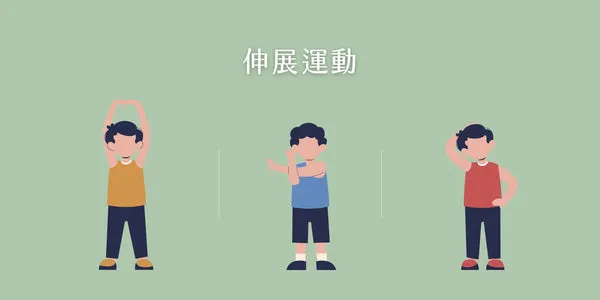
1. Neck stretches: a few minutes a day to loosen up
Neck stretches are the most direct way to ease neck and shoulder ache. The key is to go slowly and get the position right: don't force it, and stop as soon as you feel a gentle stretch.
Three moves to try:
Head turns: gently turn your head to the left and hold for 5 seconds, then switch to the right. Repeat 5 times. If you feel a stretch at the back of your neck, you're doing it right.
Shoulder shrugs: lift both shoulders towards your ears, hold for 3 seconds, then slowly let them sink down. Repeat 10 times. This move targets the trapezius, where tension builds up most easily.
Crossed-arm reach: cross your hands and reach straight out in front, rounding your upper back slightly so you feel your shoulder blades spread apart. Hold for 10 seconds. This helps release the deeper muscles around the shoulder blades.
Tip: stretching works best once every 30 minutes of work, rather than all in one go.

2. Massage: find the tight spots and work on them
Massage lets you work directly on tight spots in the muscles, especially along the inner edge of the shoulder blades and the sides of the neck, the two places where office workers tend to hold the most tension.
Gently knead these two areas with your fingers until you find a spot that feels especially achy when pressed (often called a "knot"). Press it in small circles for 30 seconds, let go, and repeat 2 to 3 times. If you can't reach it with your hands, lean against a wall with a massage ball behind your back and roll over it, which works even better.
If your neck and shoulder ache has lasted more than 2 weeks, we suggest seeing a physiotherapist or massage therapist for deeper myofascial release.
Handy extra: a portable massage stand or small massage roller lets you relax tight neck and shoulder muscles wherever you are.

3. Heat: boost circulation and help recovery
Heat boosts local blood flow and helps tight muscles relax quickly. For people with long-standing neck and shoulder ache, it is the simplest thing to do at home.
At home you can use a hot towel, hot-water bottle or heat pad on your neck and shoulders for 15 to 20 minutes. It should feel pleasantly warm, not too hot.
Note: for an acute sprain or a fresh injury, use ice for the first 48 hours, not heat. Heat is for long-standing muscle tightness and aches. Many people get this the wrong way round and end up making the inflammation worse.
If you'd like to keep your neck warm at the office, you could try the Espandi magnetic neck warmer. It has a five-magnet, warm-feel design, is worn directly around the neck and won't get in the way of your work.

4. Sit better: this is where to tackle the root cause
The three tips above are quick fixes; this one tackles the root cause. For 90% of people, neck and shoulder ache comes down to long-term poor posture, and if you don't change your posture, all the stretching and massage in the world will only help for a while.
Three keys to good sitting posture:
Keep your screen at eye level to avoid looking down for long periods. Most people's screens are too low; raise yours with a laptop stand or a few books.
Sit back against the backrest with your lower back supported. If your chair has no lumbar support, a lumbar cushion can provide it.
Let your shoulders drop naturally rather than hunching them. Many people shrug their shoulders while typing, which keeps the trapezius contracted for long periods and is a direct cause of neck and shoulder ache.
If you often forget to sit up straight, you can pair this with the Espandi shoulder and back support. Rather than holding your back up for you, it gives you a gentle pull as a reminder when you start to slouch. Its thin, breathable design stays cool even when worn all day at the office.

5. Manage stress: neck and shoulder tension is sometimes emotional
Many people overlook this: when you're under a lot of mental stress, your body unconsciously hunches the shoulders and tightens the neck muscles, and over time this is as hard on your neck and shoulders as sitting all day.
Three ways to de-stress:
Deep breathing: breathe in for 4 seconds, hold for 4 seconds and breathe out for 6 seconds. Repeat 5 times. This quickly engages the parasympathetic nervous system and helps your whole body relax, which is ideal straight after a stressful meeting.
Get up and walk for 1 minute every hour: research shows that when you sit for more than an hour at a stretch, fatigue in the neck and shoulder muscles builds up quickly. Getting up every hour to fetch a glass of water is enough to break that cycle.
Stretch before bed: 5 minutes of simple neck and shoulder stretches before bed helps your muscles recover more fully while you sleep, so you wake up noticeably less stiff.
Building the habit matters more than doing it perfectly once
Neck and shoulder ache won't vanish overnight, but you don't need to make a big project of it either. The key is to build these 5 things into your routine: stretch every 30 minutes, keep a good sitting posture, use heat for 10 minutes before bed, have the occasional massage and keep your stress in check.
If your neck and shoulder ache has lasted more than a month, or comes with numb hands, headaches or similar symptoms, please see a doctor soon to rule out problems with the cervical spine.
Q1: Why hasn't stretching helped my neck and shoulder ache? A: If your neck and shoulders still ache after stretching, there are usually two reasons. First, the underlying posture problem hasn't changed: if you slouch and have rounded shoulders for long periods, your muscles keep working in the wrong position, and stretching alone only loosens them for a while. Second, there may already be mild myofascial inflammation, which needs heat and less use to settle. We suggest working on your sitting posture at the same time; a posture support can serve as a reminder.
Q2: How many times a day should I do neck and shoulder stretches? A: We suggest a quick neck turn or shoulder shrug every 30 minutes of work, for 1–2 minutes each time. The full set of 5 tips takes about 5 minutes; doing it once before work, at lunchtime and after work works best.
Q3: Which specialist should office workers see for neck and shoulder ache? A: For mild muscle tightness and aches, we suggest starting with a rehabilitation specialist, who can assess whether you need physiotherapy or further tests. If you also have numb hands, headaches or your neck makes noises when you turn it, please see a doctor soon to rule out problems with the cervical spine.
Q4: Can a posture corrector help with neck and shoulder ache? A: The main job of a posture corrector is to remind you of your posture: it gives a gentle pull when your shoulders roll forwards, so you notice your posture has slipped. It is only an aid and can't replace stretching and adjusting your posture; if the ache persists, please see a doctor.
Q5: How can I avoid neck and shoulder ache when working in an office? A: The three most important things: keep your screen at eye level (so you don't look down), get up and move every 30 minutes, and sit with your back against the backrest. If your chair has no lumbar support, add a lumbar cushion.
Braces mentioned in this article
This article is general health information. Braces give support and a posture reminder and do not treat any condition. See a doctor if you have symptoms.
What customers say about the Magnetic Warming Neck Band | Winter Warmth, Everyday Neck Accessory
Reviews are customers' personal experiences and do not represent product performance.
- ★★★★★
收到商品了 ! 出貨速度尚可接受,商品品質可接受! 包裝得良好,無破損,商品CP值很高!!有需要可再購入!
w*****8 · 2025-05-26
- 30-day trial, returns accepted
- Ships from Taiwan in 1–3 days
- Sizing help on LINE
Keep reading

Do I Have a Hunched Back? 4 Self-Checks and 7 Home Exercises for a More Upright Posture
Not sure whether you have a hunched back? Use 4 self-checks to understand the difference between a hunched upper back and rounded shoulders, and learn 7 home posture exercises, along...

Do Posture Correctors Work? What Office Workers Should Know About Wearing One
What can a posture corrector actually do for a slouch? Find out how long to wear one, when to use it, and tips for office workers, older adults and exercise,...
Do Posture Correctors Work? How to Choose One That Suits You
A posture corrector can act as a reminder to keep an eye on your posture, and is often used by people who spend a lot of time looking down at...