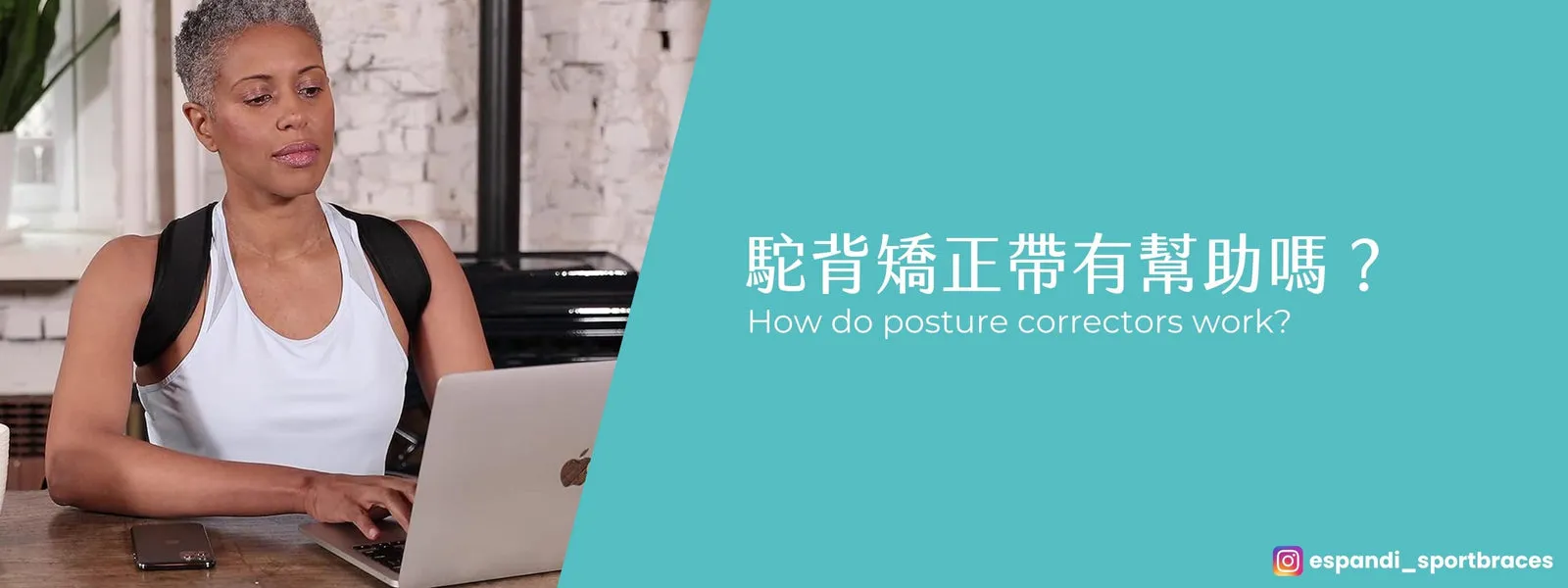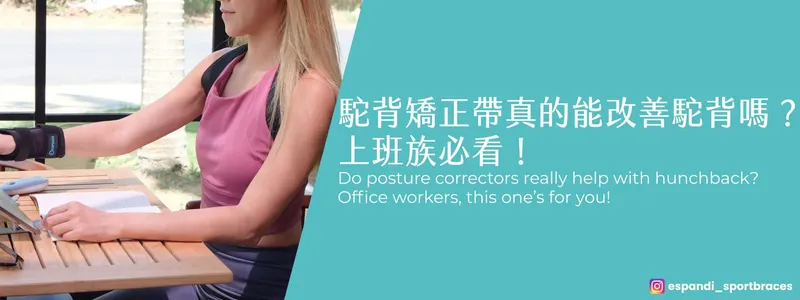
Do you often feel your posture isn't quite right? Scrolling on your phone with your head down, sitting at a desk for hours or staring at a computer screen all day can leave you slouching without realising it. Many people turn to a "posture corrector" as a reminder to sit up, but does it actually do anything? And how do you pick one that suits you? This article explains what a posture corrector does, what to look for when choosing one, and how everyday exercise and habits can help you work on a slouch.

What is a posture corrector, and who uses one?
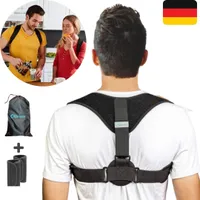
A posture corrector, sometimes called a posture brace, is an aid that reminds you of your body position. It usually comes as a vest or a set of straps that go around the shoulders and upper back, giving a moderate amount of support.
Who might use one?
- Office workers: if you spend long hours looking down or sitting badly and often feel stiff and achy in the neck and shoulders, wearing one can remind you to keep a good posture.
- Students: with heavy study loads and lots of time hunched over a desk, it can serve as a posture reminder while studying.
- Active people: some sports, such as weightlifting or long-distance running, can lead to postural imbalances, and some people like a posture reminder.
- Older adults: bone density falls with age and a rounded upper back often comes with it. It is best to speak to a doctor first, then add a moderate amount of support if needed.

How do you use a posture corrector, and what else should you do alongside it?
To get the most out of a posture corrector, using it properly and pairing it with exercise and changes to your routine are what count.
Build up wearing time gradually
When you first start, wear it for 15–30 minutes a day so your body can get used to it, and avoid wearing it for too long, which can leave your shoulders and back tired. Once you are used to it, you can gradually wear it for longer as a posture reminder.
Strengthen your core with exercise
A posture corrector provides support, but you shouldn't rely on it entirely; you also need exercise to build core strength and posture stability. Here are a few simple exercises:
- Back stretches: such as Cat-Cow and the bridge, which help ease tension in the back and improve flexibility.
- Core training: such as the plank or side plank, which strengthen the abdominal and back muscles and help you hold a good posture.
- Shoulder-opening exercises: use a towel or resistance band to open up the shoulders, which helps if your shoulders tend to roll forwards.
Mind how you sit and stand
Even while wearing a posture corrector, keep working on good sitting and standing posture. Let your shoulders drop naturally and keep your back upright so your body gradually learns the right position.
Adjust your daily habits
Spend less time looking down at your phone or staring at a screen, remind yourself to lift your head, and raise your screen to eye level; get up and move around regularly to break up long spells of sitting.
How do you choose a posture corrector that suits you?
There is a huge range of posture correctors on the market, from budget options to premium brands. What should you look out for when buying one?
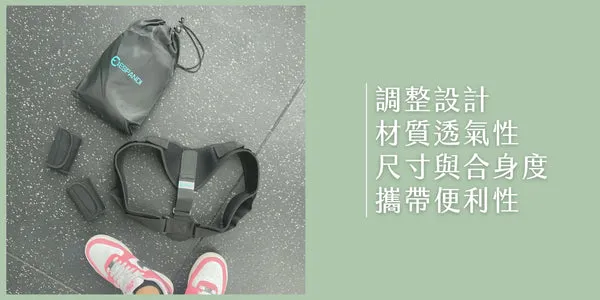
Shoulder style vs. waist style
Posture correctors come mainly in shoulder and waist styles. Shoulder styles focus on the upper back and suit people who spend a lot of time looking down or whose shoulders roll forwards; waist styles focus on the lower back, and some also offer support along the whole spine.
Adjustability
Most posture correctors have adjustable hook-and-loop straps or buckles. Check how easy it is to adjust the fit, so it feels comfortable and secure.
Breathable material
Taiwan's summers are hot and humid, so a breathable material matters a lot: it feels less stuffy and you'll be more willing to wear it.
Size and fit
Measure your chest before buying and check the right size with the seller; one that is too big or too small won't fit properly.
Portability
If you travel or are out and about a lot, a lightweight design is handy: it slips into your bag so you can use it as a posture reminder wherever you are.

So, do posture correctors really work?
A posture corrector mainly works as a reminder to pay attention to your everyday posture. It is no cure-all, and a strap alone may not be enough to sort out a slouch. What matters most is using it properly alongside regular exercise and healthy habits, and sticking with those over the long term.
Remember that better posture comes gradually and takes patience and steady effort. A posture corrector is only an aid; the real key is paying attention to your posture and adjusting it in daily life.
A posture corrector can remind you of your posture and give it some support, so it can be a handy everyday aid. Even so, choosing one that suits you and pairing it with the right exercise and daily habits is what really matters. Don't let years of poor posture knock your comfort and confidence; take the first step today by adjusting your posture and your daily routine.
Q: How long should I wear a posture corrector each day?
A: Start with 15–30 minutes a day and build up gradually to around 2 hours. Wearing one all day is not recommended.Q: Will wearing a posture corrector get rid of a slouch?
A: A posture corrector is only an aid that reminds you of your posture, and changes in posture vary from person to person. The key is still building good posture habits, together with stretching and core training.Q: Can I wear a posture corrector to sleep?
A: It's not recommended. Your spine needs to relax naturally while you sleep, and wearing one in bed can restrict circulation.Q: Can I wear a posture corrector in the shower?
A: It's not recommended. Take it off before showering and only put it back on once it's dry, to avoid damaging the material.Q: Can I try the Espandi shoulder and back support first?
A: Yes. Every product in our shop comes with a 30-day trial, and if you're not happy you can get a full refund, so you can try it risk-free.