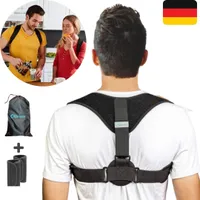
Do Posture Correctors Work? What Office Workers Should Know About Wearing One
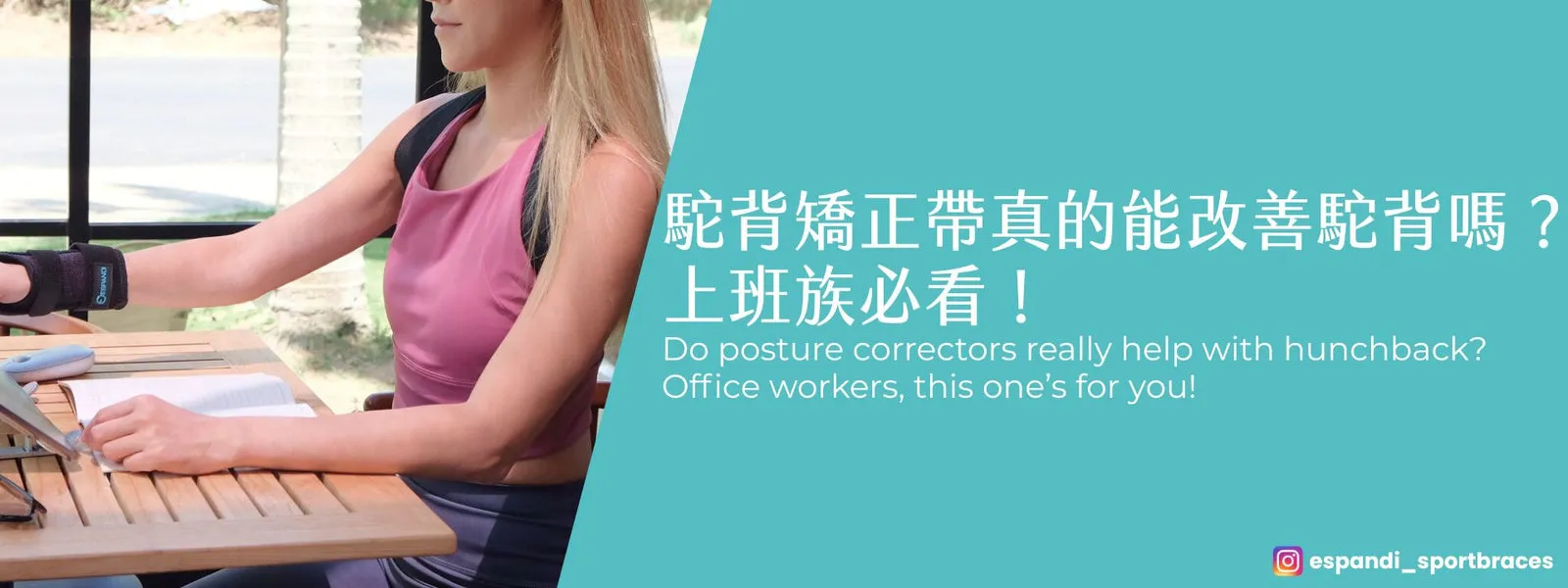
The short answer: a posture corrector is best thought of as a reminder: the slight pull you feel while wearing it helps you notice when your posture slips, but putting one on won't solve the problem by itself. What really matters is strengthening your back and core and adjusting daily habits such as screen height and how you sit. We suggest wearing it for short periods each day rather than relying on it for hours; if aches persist or get worse, please see a doctor.
This article is general health information. Braces give support and a posture reminder and do not treat any condition. See a doctor if you have symptoms.

Do you often sit at your computer and find your shoulders creeping forwards and your back rounding without realising it?
Only when you finish work do you notice your tight neck and shoulders and aching back, and you may even feel it takes something away from how you carry yourself.
That's a classic slouch.
So, can the posture correctors on the market really help with slouching?

What a posture corrector does
A posture corrector isn't a magic product. It works by drawing the shoulders back and supporting the back, reminding your body to hold a good posture.
When you slouch, it creates a slight pulling feeling, so you realise your posture has slipped and can adjust it.
👉 In other words, it's more of a "reminder" that helps you get into the habit of sitting and standing well, not something that changes your posture for good the moment you put it on.
Why do so many people slouch today?
1. Heavy use of phones and screens: looking down at phones and tablets keeps the neck and back leaning forwards for long periods.
2. Long hours at a desk: with the wrong chair height or a poorly placed screen, long spells of sitting lead to slouching.
3. Lack of exercise: when the back and core muscles are too weak, they can't hold the body up.
4. Psychological factors: some people unconsciously hunch their chest out of low confidence or shyness, and over time it turns into a slouch.
How long to wear it
Many people assume the longer you wear a posture corrector the better, but that isn't the case.
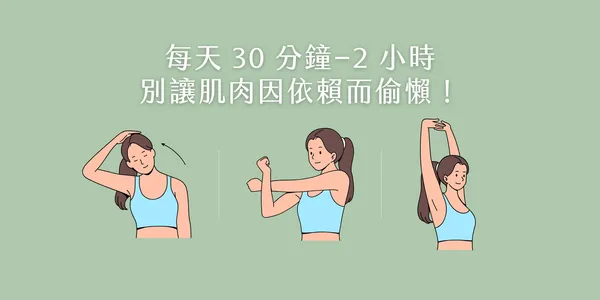
Suggested time: 30 minutes to 2 hours a day works best.
Don't rely on it for long periods: wearing it for too long can make your muscles lazy and less able to hold your body up.
The ideal approach is to use the posture corrector as a reminder and train your back muscles regularly, because it's mainly muscle strength that holds your posture up.
Where to wear it: why the office is ideal
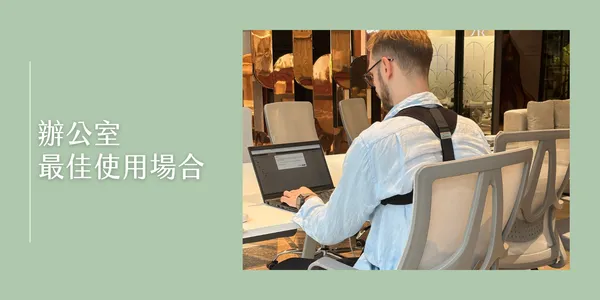
For most office workers in Taiwan, the office is where they're most likely to slouch.
Screens set too low: your gaze drops and your shoulders naturally roll in.
Sitting for 8+ hours: your body gets lazy and slouching becomes a habit.
Stress: when you're tense, you also tend to hunch your chest and shoulders.
That's why the office is actually the best place to wear a posture corrector. Wearing it for short periods can remind you to keep a good sitting posture.
Can older adults use a posture corrector?
Many people think about buying one for an older family member, and that's fine.
Who it suits: older adults who tend to stoop or hunch their chest when walking.
Things to note: because older people's muscles offer less support, we suggest short periods of use each day (around 30 minutes) to avoid pressure or discomfort.
A helpful reminder: it helps older family members notice their posture and reminds them to open their chest when walking and sitting.
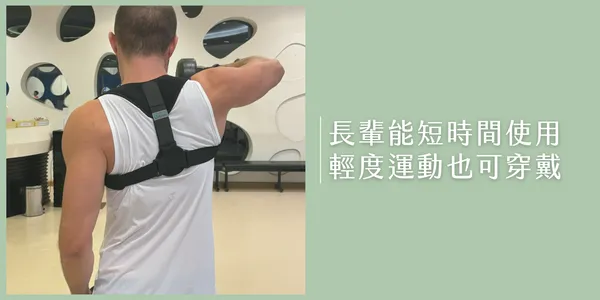
Can you wear a posture corrector while exercising?
This question comes up a lot. The answer: fine for light activity, not recommended for intense exercise.
Suitable activities: walking, yoga and stretching, for example, when wearing one can remind you to keep your chest open.
Not recommended: running, weight training or anything with big arm movements, because the strap limits your range of movement and can affect your performance.
👉 We suggest wearing it briefly during your stretches before and after exercise as a posture reminder.

Simple moves to help with a slouch
As well as a posture corrector, you can add a few simple moves:
1. Wall angels
Stand with your back against a wall and your arms against it, then slide them up and down as if making a snow angel.
This helps open up the chest and strengthen the back muscles.
2. Chest stretch
Hold on to a wall or door frame and lean your body forwards until you feel a stretch across your chest.
This eases tightness from shoulders that roll inwards.
3. Core training (plank)
Strengthens the abdominal and lower back muscles so your body has enough strength to stay upright.
4. Quick moves at the office
Every hour, do 5 big backward shoulder rolls.
This opens up the shoulders and reduces tightness.
A posture corrector can be used as a reminder that helps you notice poor posture, and it's especially suited to the office or light everyday activity.
Older adults can use one for short periods, and younger people can pair it with exercise and stretching.

Braces mentioned in this article
This article is general health information. Braces give support and a posture reminder and do not treat any condition. See a doctor if you have symptoms.
What customers say about the Espandi German Shoulder & Back Support Strap | Extended Straps · Breathable Material · Underarm Pads Included
Reviews are customers' personal experiences and do not represent product performance.
- ★★★★★
商品與目錄內容相符, 並且很快就收到商品了。 出貨速度很快, 當天下單隔天就出貨了! 非常棒的賣家。
q*****7 · 2026-05-03 - ★★★★★
包裝完整,寄貨迅速。穿戴合身舒適,材質透氣魔鬼粘黏撕操作方便。
h*****9 · 2025-10-25
- 30-day trial, returns accepted
- Ships from Taiwan in 1–3 days
- Sizing help on LINE
Keep reading
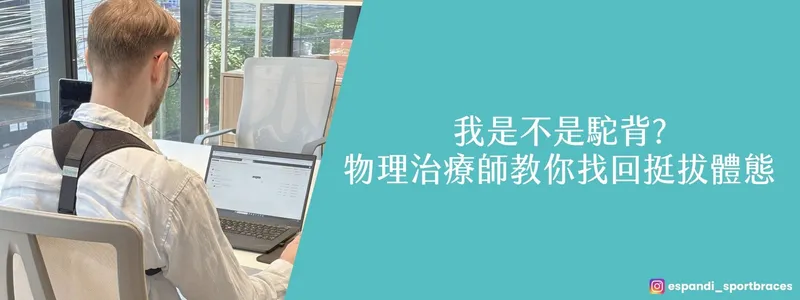
Do I Have a Hunched Back? 4 Self-Checks and 7 Home Exercises for a More Upright Posture
Not sure whether you have a hunched back? Use 4 self-checks to understand the difference between a hunched upper back and rounded shoulders, and learn 7 home posture exercises, along...

Achy Back and Tight Shoulders From Sitting All Day? 3 Everyday Habits for Office Workers to Get Your Balance Back
Do long hours of sitting and looking down at your phone leave your neck and shoulders stiff and your back aching? 3 simple everyday habits to help you work on...

Neck and Shoulder Ache? 5 Easy Ways for Office Workers to Loosen Up in 5 Minutes
Fed up with neck and shoulder ache? Here are 5 practical ways to loosen up: stretching, massage and heat, plus adjusting your posture and managing stress. Simple tools such as...