Do I Need an Ankle Brace? Why Looking After Your Ankles Matters More With Age
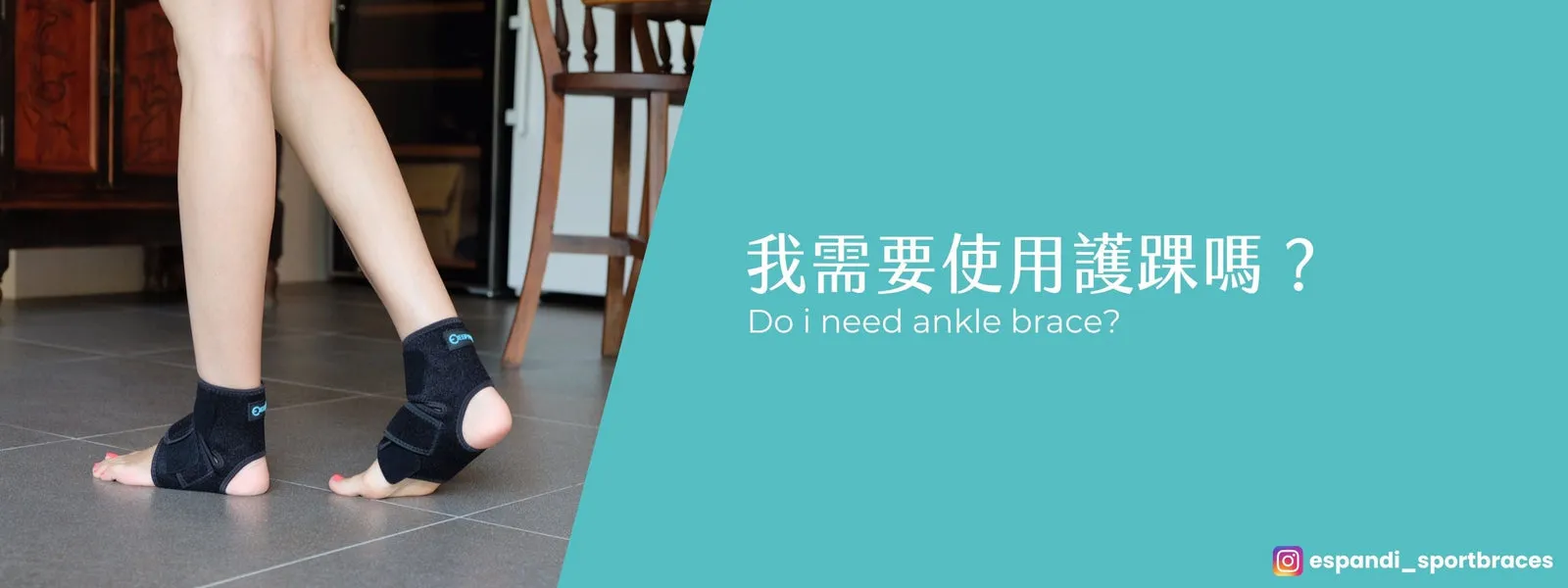
The short answer: whether you need an ankle brace depends on what you do. If you often play ball sports or run, spend long hours standing or walking, have sprained an ankle before or feel your ankle is unsteady, you can use an ankle brace as extra support. What matters most, though, is regular strength work such as calf raises and ankle circles, and wearing suitable shoes. Don't wear an ankle brace all day or strap it too tight; if pain and swelling persist after a sprain or you find it hard to walk, please see a doctor.
This article is general health information. Braces give support and a posture reminder and do not treat any condition. See a doctor if you have symptoms.
An ankle brace is a common piece of sports gear that gives the ankle joint extra support and a feeling of stability. As we get older, and in everyday life and sport, looking after your ankles really matters. This article answers common questions about ankle braces, and explains how strength training and small changes to your routine can help with ankle stability, as well as how to use an ankle brace.
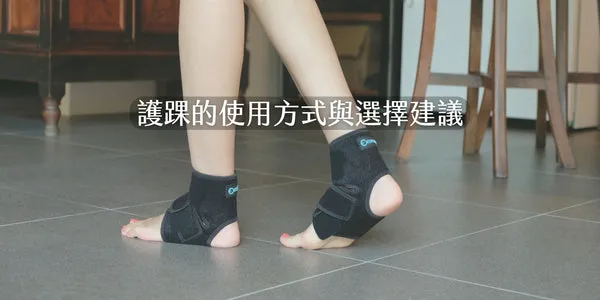
1. How to use and choose an ankle brace
How do you use an ankle brace?
Using an ankle brace is simple:
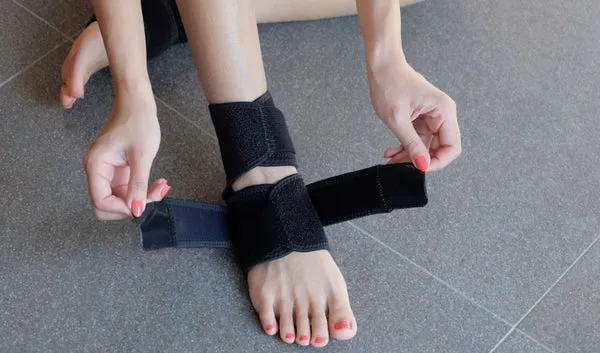
Put the brace on around your ankle and make sure it fits comfortably, neither too tight nor too loose.
Some braces have hook-and-loop fastening, straps or elastic adjustment, so you can set the pressure and stability to suit you.
Once it's on, check that your range of movement isn't overly restricted and that it feels comfortable.
How do you choose an ankle brace that suits you?
When choosing an ankle brace, keep these points in mind:
Support: choose a level of support that matches your needs; for example, a thin brace for light exercise, and a reinforced one for high-intensity sport.
Material: a breathable material feels less stuffy and more comfortable to wear.
Size: pick the right size; too tight can restrict circulation, and too loose won't give you any support.
Ease of putting on and taking off: this matters especially for older users, for whom a simple design is important.

2. Who might use an ankle brace?
1. People who exercise often
Do you play basketball or football, or go running, and worry about going over on your ankle? An ankle brace can give stable support while you exercise, but you should still warm up properly first.
2. Older adults who want to feel steadier on their feet
As we age, the ankle joint can become less stable. An ankle brace gives extra support so everyday walking feels more secure.
3. People who stand or walk for long hours
If you spend a lot of the day standing or walking (teachers or people working in hospitality and retail, for example), an ankle brace can give some support and make your feet feel more at ease.
4. People who have had ankle trouble before
If your ankle often feels unsteady in daily life, or you have sprained it before, an ankle brace can provide support; if you have had a sprain, we suggest getting it checked by a doctor first.

3. Everyday tips for looking after your ankles
An ankle brace can give extra support, but healthy ankles also need everyday care and strength training. Here are a few simple, practical tips:
1. Build ankle strength and stability
Calf raises:
Stand on both feet and lift your heels, supporting your weight on your toes.
Hold for a few seconds, then lower. Repeat 10–15 times.
Ankle circles:
Sitting or lying down, lift one foot and draw circles with it from the ankle, 10 times clockwise and 10 times anticlockwise.
This helps loosen the ankle and improve flexibility.
2. Wear suitable shoes
Choose shoes that hold your foot well and absorb shock, such as trainers or comfortable walking shoes.
Avoid high heels or shoes with very hard soles, to reduce the load on your ankles.
3. Adjust how you walk day to day
When walking, land on your heel first and roll through to push off from your toes, rather than shuffling.
Slow down a little and focus on steady steps.

4. When to wear an ankle brace, and what it offers
1. As an aid in higher-risk sports
In basketball, football, volleyball and other sports with lots of sudden stops and changes of direction, an ankle brace can give the ankle joint support while you play.
2. Support on long walks
When you walk or stand for a long time, an ankle brace can support the ankle joint and make your feet more comfortable.
3. Hiking and outdoor activities
When walking on uneven ground, an ankle brace gives extra support, so you can enjoy yourself with more peace of mind.
4. As an aid during rehabilitation exercises
Alongside simple rehabilitation exercises (such as calf raises and ankle rotations), an ankle brace can give the joint support; please follow your doctor's or physiotherapist's advice on what exercises to do.

5. Things to keep in mind when using an ankle brace
1. Wearing it properly matters
Before putting it on, check that the brace is intact and undamaged so it can give proper support.
2. Don't wear it too tight for too long
An ankle brace shouldn't restrict your circulation, so don't strap it too tightly, especially when wearing it for a long time.
3. Clean and replace it regularly
Wash your ankle brace regularly to keep it clean, and check whether it is damaged or has lost its elasticity. If it is damaged, replace it promptly.
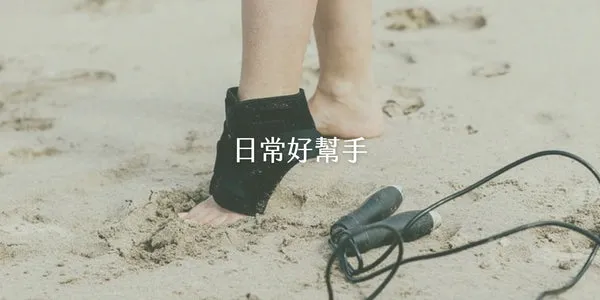
An ankle brace is a handy companion for everyday walking and sport
An ankle brace isn't just sports kit; it's a handy aid that helps keep your ankle steady and makes walking more comfortable. Whether you're an athlete, an office worker or an older adult, an ankle brace can give you extra support. Add some simple everyday ankle exercises and good walking habits, and your feet will feel stronger and healthier. Pick an ankle brace that suits you and start looking after your ankles today!
Braces mentioned in this article
This article is general health information. Braces give support and a posture reminder and do not treat any condition. See a doctor if you have symptoms.
What customers say about the Sports Ankle Brace | Ankle Support for Running and Basketball (Pair)
Reviews are customers' personal experiences and do not represent product performance.
- ★★★★★
收到很驚喜,有收納帶,還沒開始用,好用再回購,賣家包裝很用心,小禮物很棒啊,謝謝
m*****n · 2024-08-02 - ★★★★★
出貨速度很快速、商品包裝完整、材質是很舒服的、魔鬼氈的部份也很紮實、
k*****8 · 2024-04-07
- 30-day trial, returns accepted
- Ships from Taiwan in 1–3 days
- Sizing help on LINE
FAQ
Q1: Can I wear an ankle brace all day? We suggest wearing an ankle brace when you're active, exercising or standing for long periods, not around the clock. Wearing it for long stretches can make your ankle muscles depend on it and leave fewer chances for them to work on their own. We suggest wearing it for no more than 6 to 8 hours at a time and taking it off when you rest.
Q2: How tight should an ankle brace be? The rule of thumb is "snug but not squeezing". If you can move normally once it's on and don't feel numbness or tingling, the fit is right. If the top of your foot or your toes go numb, change colour or feel cold, it's too tight and you should loosen it straight away.
Q3: Can I wear an ankle brace inside my shoes? The Espandi ankle support brace is a thicker design with reinforced support, so we don't recommend wearing it inside ordinary shoes. It is best for walking around at home, indoor exercise or rehabilitation exercises. If you need to wear shoes when you go out, switch to a thin ankle brace or wear trainers with a wider toe box.
Q4: How often should I replace my ankle brace? It depends on how often you use it; for a brace worn every day, we generally suggest replacing it every 3 to 6 months. If the elastic has gone slack, the hook-and-loop fastening doesn't grip as well, the material has thinned or it is damaged, replace it straight away so it keeps giving you support.
Q5: Can I wear an ankle brace straight after spraining my ankle? In the first 24 to 48 hours after an acute sprain, focus on icing and elevating the ankle, and see a doctor or physiotherapist to assess the injury. Once the initial swelling has gone down, you can use an ankle brace during rehabilitation exercises as your doctor or physiotherapist advises.
Q6: Can I wear an ankle brace and a knee brace at the same time? Yes. They support different joints and don't interfere with each other. When your knees and ankles both need support (for example, when hiking or on long walks), you can wear both together for support.
Keep reading

What Exercises Can You Do for a Bunion at Home? 6 Gentle Stretches, a Daily Routine and When to Stop
Big toe drifting further out of line, and wondering what you can do at home? Here are 6 bunion stretches that need no special equipment, each with reps and cautions,...

For Shop Staff, Nurses and Hospitality Workers: How to Get Your Feet Through a 10-Hour Day Standing
Sore feet from standing, aching soles after a full day on your feet, ankles so swollen by evening that your shoes feel tight - yet most advice only works once...

Stiff, Creaky Knees That Hurt on the Stairs - Is It "Wear and Tear"? Knee Osteoarthritis Explained
Knees that feel stiff and creaky, hurt on the stairs, or complain when you stand up from a squat - does that mean they're wearing out? Learn the common symptoms...