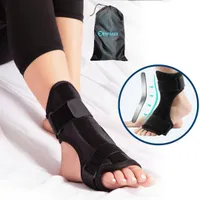
Foot Drop: Everyday Gait Exercises and How to Choose a Walking Aid

The short answer: foot drop is a walking problem where you can't lift the front of your foot properly, so your toes tend to drag or catch and you trip easily. The cause needs to be assessed by a doctor, so if you have symptoms, see one first. Day to day, you can practise toe raises, ankle circles and a "heel → sole → toe" walking pattern, and wear supportive flat shoes. A foot drop support strap can be used as an aid when walking, but consistent practice and professional advice are what matter most.
This article is general health information. Braces give support and a posture reminder and do not treat any condition. See a doctor if you have symptoms.
Foot drop is an everyday walking problem that can make your toes drag and cause you to trip, which affects your quality of life. Its cause needs to be assessed by a doctor, so we suggest getting checked first. Adjusting everyday movements, strength training and building good habits can help make walking steadier and safer, and a brace can be used as an aid.
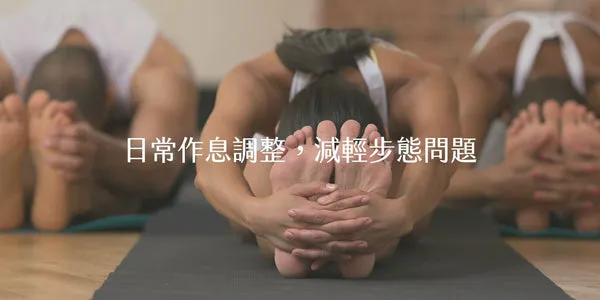
1. Adjust your daily routine to ease walking difficulties
There are plenty of things you can do in daily life to make walking easier. Here are a few practical habits:
- Stand well: when walking or standing, keep your weight over your heels and your back upright, which helps keep your leg movements steady.
- Avoid staying in one position for too long: sitting or standing for long periods can leave muscles stiff, so get up and move about every hour to take the pressure off your legs.
- Walk more slowly: deliberately slow down when you walk and concentrate on lifting your foot, making sure your heel lands first before rolling through to your toes.
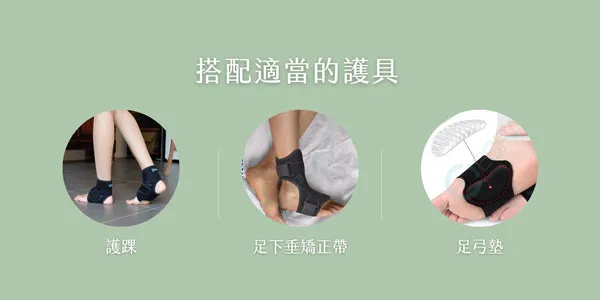
2. Everyday aids: using a suitable brace
The right aid can give your foot some support and make walking feel easier.
- Foot drop support strap:
A foot drop support strap is designed to support you while walking. It is light and easy to put on, holds the ankle in place and supports the angle of the foot, and can be used as an aid for everyday walking; we suggest speaking to a doctor or physiotherapist before using one. - Ankle support brace:
Gives the ankle extra stability and support, and is especially suitable for long walks or when you need to stand for a long time. - Comfortable insoles:
Putting comfortable insoles in your shoes reduces pressure on the feet and makes walking more comfortable, so you can walk with more ease.
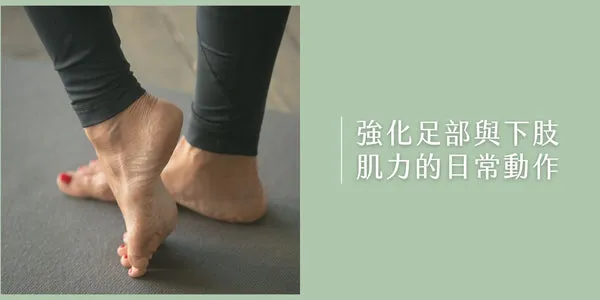
3. Everyday moves to strengthen the feet and legs
Leg strength is vital for a better walking pattern. The simple moves below can be done at home, and sticking with them every day helps:
- Toe raises:
- Sit on a chair with both feet flat on the floor.
- Slowly lift the front of your feet, keeping your heels still.
- Hold for 3 seconds, then lower. Repeat 10–15 times.
- Ankle circles:
- Sitting or lying down, lift one foot.
- Draw circles from the ankle, 10 times clockwise and 10 times anticlockwise.
- Switch feet and repeat.
- Simple gait practice:
- On level ground, practise walking "heel down" → "sole" → "push off from the toes".
- Walk for 5–10 minutes each time, paying attention to how high you lift your foot so your toes don't drag.

4. Wear suitable shoes for steadier walking
- Choose shoes that hold your foot well: wear sturdy, comfortable shoes and avoid soles that are too soft or too hard.
- Avoid high heels: choose flat shoes or lightweight trainers to help keep your walking steady and reduce pressure on your feet.
5. Build a daily walking habit
Getting into a regular walking routine not only helps your walking pattern but also builds endurance in your legs:
- Walk for 15–30 minutes a day: choose level ground and gradually increase your walking time and steadiness.
- Focus on your steps: as you walk, pay attention to each step so your foot lands smoothly and doesn't drag.
Foot drop affects the way you walk, so we suggest having a doctor assess the cause first; adjusting your everyday movements and strength training can help make walking safer and more comfortable. A foot drop support strap or an ankle brace can be used as an aid, and together with good daily habits, everyday walking can feel easier and more reassuring.
Remember that a better walking pattern comes step by step; keep at it and you can walk with more confidence and safety day to day.
Braces mentioned in this article
This article is general health information. Braces give support and a posture reminder and do not treat any condition. See a doctor if you have symptoms.
What customers say about the Adjustable Ankle Brace | Adjustable Aluminium Stay, Everyday Ankle Support
Reviews are customers' personal experiences and do not represent product performance.
- ★★★★★
出貨速度快,包裝很細心,試穿包覆性真的感覺不錯👍,再使用一陣子後若沒問題會考慮要不要回購
w*****1 · 2025-10-29
- 30-day trial, returns accepted
- Ships from Taiwan in 1–3 days
- Sizing help on LINE
Keep reading

What Exercises Can You Do for a Bunion at Home? 6 Gentle Stretches, a Daily Routine and When to Stop
Big toe drifting further out of line, and wondering what you can do at home? Here are 6 bunion stretches that need no special equipment, each with reps and cautions,...

For Shop Staff, Nurses and Hospitality Workers: How to Get Your Feet Through a 10-Hour Day Standing
Sore feet from standing, aching soles after a full day on your feet, ankles so swollen by evening that your shoes feel tight - yet most advice only works once...

Stiff, Creaky Knees That Hurt on the Stairs - Is It "Wear and Tear"? Knee Osteoarthritis Explained
Knees that feel stiff and creaky, hurt on the stairs, or complain when you stand up from a squat - does that mean they're wearing out? Learn the common symptoms...