Do Bunion Correctors Work? Can a Bunion Get Better Without Surgery, Is Wearing One Overnight Worthwhile, and What to Look For
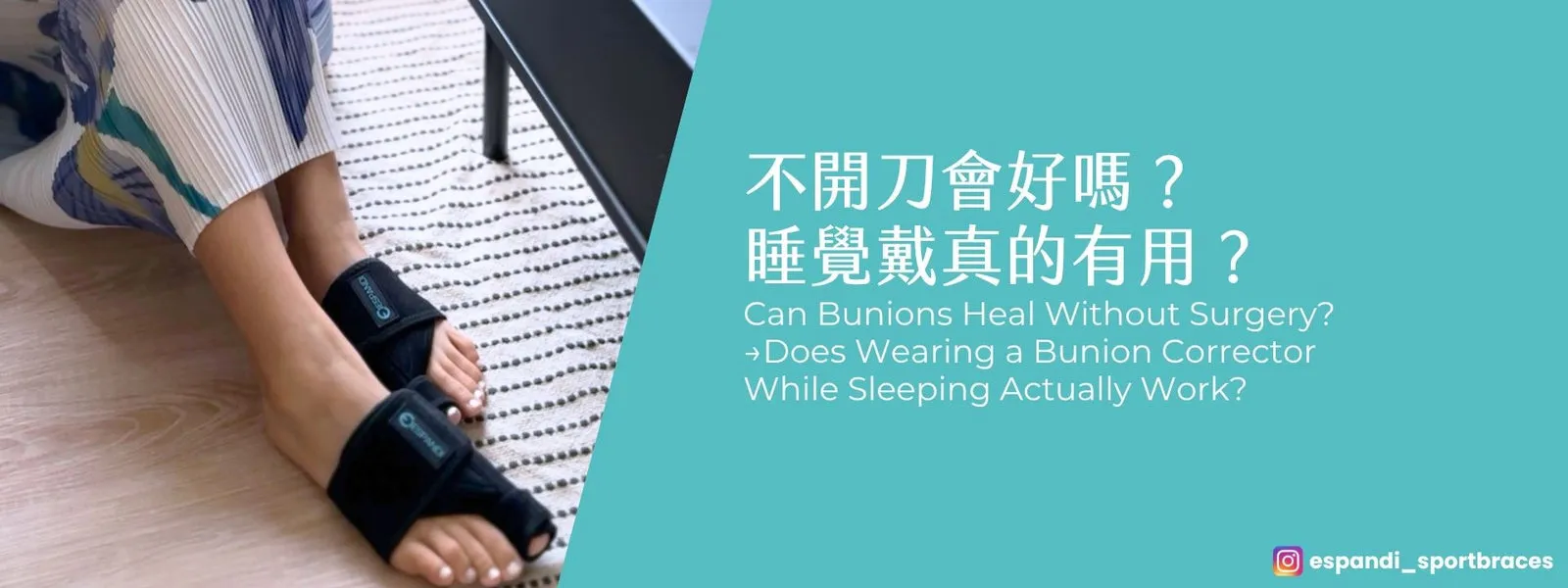
The short answer: a bunion corrector (toe separator) won't return a bone that has already shifted to its original position. What it can do is create space between the toes and reduce squeezing between them and rubbing from your shoes, so your toes sit in a more relaxed position while you rest or sleep. We suggest starting with half an hour a day; if it hurts even without shoes on, the joint is red and swollen, or your big toe is already pressing on your second toe, please see a doctor first.
This article is general health information. Braces give support and a posture reminder and do not treat any condition. See a doctor if you have symptoms.
Buying bigger and bigger shoes, but they still pinch?
Shoes that used to fit now hurt the moment you put them on?
Your big toe slowly drifting inwards, even starting to press on your second toe…
Many people start out thinking it's just "a bit crooked", until one day walking starts to hurt and they realise it's been going on for quite a while.
Bunions are very common in Taiwan, especially among people who have worn narrow shoes for years, stand for long hours at work, or have older relatives with the same thing. Most people only start dealing with it once it becomes clearly uncomfortable.
Does a bunion always need surgery?
There's no standard answer. It's for an orthopaedic or rehabilitation doctor to assess, based on the angle of the bunion, how much pain there is and how much it affects your daily life.
Generally, for people with a smaller angle, no significant pain and a daily life that is still manageable, doctors usually suggest starting with conservative measures such as shoe choice, foot stretches and wearing a supportive aid; surgery is only discussed further when the angle is larger or walking is already affected.
👉 To find out which group you're in, see an orthopaedic or rehabilitation specialist. Don't rely on articles online to judge for yourself, including this one.
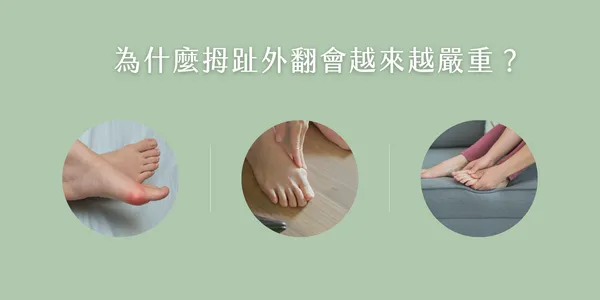
Why do bunions become more noticeable over time?
A bunion (the medical term is hallux valgus) is when the big toe joint shifts out of line, with the toe angling inwards. Common related factors include:
- Years of wearing narrow, pointed or high-heeled shoes
- Fallen arches (flat feet)
- Long periods of standing or walking
- Family predisposition
The point isn't to pin down the cause, but this: it's a condition that builds up slowly over time, and the sooner you pay attention to your shoes and foot care, the easier it is.
What are the symptoms of a bunion? It isn't just about "how your feet look"
Many people think a bunion is purely a cosmetic issue, but it often affects more than you'd expect. Common signs include:
- The big toe clearly angled, with the joint sticking out
- A red, swollen joint that hurts when pressed
- Shoes easily rubbing the skin raw, with corns or thick calluses
- The ball of the foot hurting and tiring easily after walking for a while
- Stiffness and discomfort on your first step out of bed
- Numb toes and a clear feeling of being squeezed
The front of your foot is the first part to take your weight when you walk. Many people unconsciously change the way they walk when the forefoot is uncomfortable. If you notice you've changed your gait because of foot pain, or your knees or lower back have started to feel uncomfortable too, we suggest getting assessed by a rehabilitation specialist or physiotherapist early, rather than guessing at cause and effect yourself.
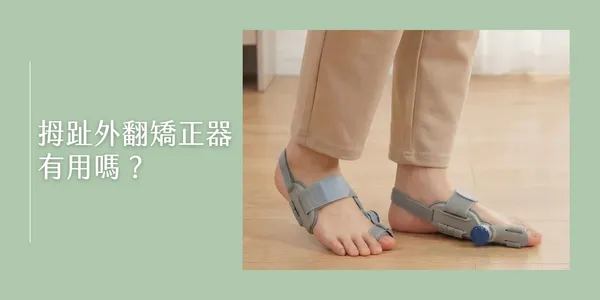
Without surgery, how can a support help?
Let's set expectations clearly first, because this is where most people get the wrong idea.
👉 This kind of support won't return a bone that has already shifted to its original position.
What it offers is physical support and spacing:
- Space between the toes, so they squeeze each other less
- Less rubbing between your shoe and the outside of the big toe when walking
- A more relaxed position for your toes while you rest and sleep
Many people give up after a few days because they were expecting it to "straighten" the toe. If you adjust your expectations to "making walking in shoes a bit more comfortable every day", it feels completely different.
Any advert that claims to "correct" a bunion or "get it back to normal" deserves a big question mark.
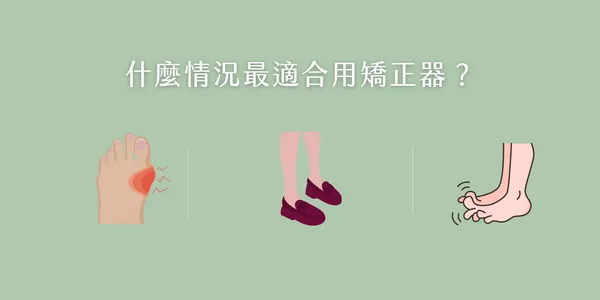
When is it a good time to start using one?
If you:
- Have just started to notice the toe looks crooked or has changed a little
- Find your shoes catch or rub
- Feel uncomfortable on that side after walking for a while
- Aren't considering surgery at the moment
then an everyday support like this is a relatively easy first step.
On the other hand, in these cases see a doctor first rather than buying a support
- Your big toe is already pressing on or crossing over your second toe
- It hurts even when you aren't walking or wearing shoes
- The joint is red, swollen and warm
- It's already affecting the way you walk, or your knees or back have become uncomfortable too
What kinds of bunion corrector are there? 3 common types compared
The "bunion correctors" you see in pharmacies and online are actually several different things. Knowing the type first saves you buying the wrong one:
① Silicone toe spacer (the pharmacy staple)
A small piece of silicone that sits between the big toe and second toe.
Suits: daytime, inside shoes.
Watch out: it only adds space between the toes; too big squeezes, too firm rubs.
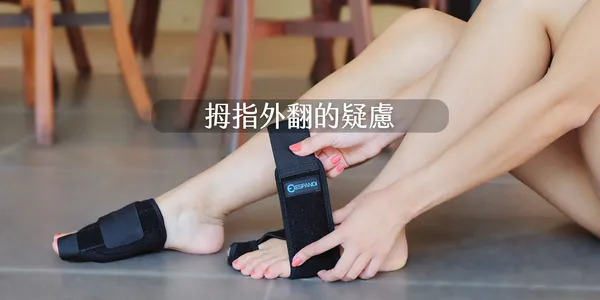
② Strap-style toe separator
A fabric sleeve or strap worn on the foot, with a toe divider.
Suits: at home, winding down before bed.
Watch out: usually not made to fit inside shoes.
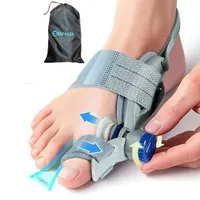
③ Dial-adjustable brace
A side splint with a dial to set the angle and tension.
Suits: at home or overnight, if you want to start loose and adjust gradually.
Watch out: bulkier, and can't be worn with shoes.
In short: to wear shoes, pick a silicone spacer; at home or in bed, a strap-style or dial brace is steadier and easier to adjust. Plenty of people use both, one for the day and one for the evening.
Whichever you pick, what it can do is equally limited: it adds space and reduces squeezing and rubbing. It doesn't "push the bone back".
Espandi currently makes two for use at home: the strap-style Big Toe Separator and the Dial-Adjustable Big Toe Brace, which lets you fine-tune the angle.
How to choose a bunion support: 5 things to check
- Does the structure fit your foot shape? Feet vary a lot, and if it doesn't fit well, it won't hold in place and is likely to rub.
- Is the tension adjustable? An adjustable design lets you start loose and get used to it gradually. Fixed-tension styles are often too tight from the start, and people give up after two days.
- Is the material skin-friendly and breathable? If you want to wear it for long periods, breathability matters more than support in deciding whether you'll stick with it.
- Is it for home and sleep, or can you wear it with shoes? Styles with a fixed splint usually don't fit in shoes; if you want to wear one with shoes, choose a silicone toe separator.
- Is there a trial or returns policy? The chance of the size not being right is fairly high, and being able to return or exchange it saves a lot of hassle.
One more thing: the shoes themselves matter just as much as the support, and sometimes even more. We've written a separate article on this: What trainers suit bunions? 6 things to check when choosing shoes, plus stretches.
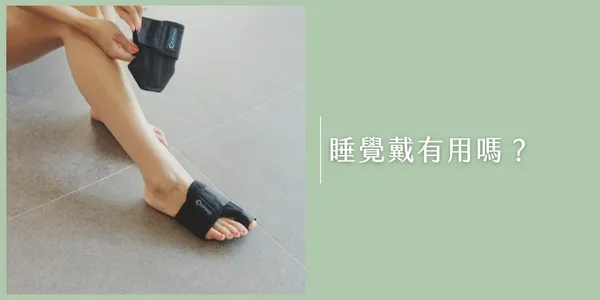
Is it a good idea to wear one overnight?
The benefits of wearing it while you sleep are simple: it's a long stretch of time, your feet are relaxed and there are no shoes squeezing them, so it usually feels more comfortable than in the day and is easier to make a habit of.
But that means it's "easier to wear", not that it's "more effective". There's no need to force yourself to wear it to bed; if it stops you sleeping well, it isn't worth it.
A few tips on wearing it
- Start with half an hour a day so your skin and joints can adjust gradually, and increase the time once you're used to it
- Don't strap it too tight to speed things up; too tight will only make you give up sooner
- Steady, regular wear matters more than wearing it for a long time in one go
❗Take it off straight away if you notice any of these
- Numbness
- Tenderness under pressure
- Poor circulation or your toes changing colour
- Red or broken skin
This means it's too tight or not suitable. If it's still the same after adjusting it, stop using it for now.
The Espandi bunion support | designed around foot shapes in Taiwan
The Espandi bunion support has an ergonomic design that combines adjustable hook-and-loop straps with a support structure, and is suitable for wearing at home or while you sleep.
What holds most people back is: "What if it doesn't help?"
Espandi offers a 30-day trial: if you feel it isn't right for you within 30 days of receiving it, you can request a full refund.
👉 Go straight to it: the bunion and foot support range
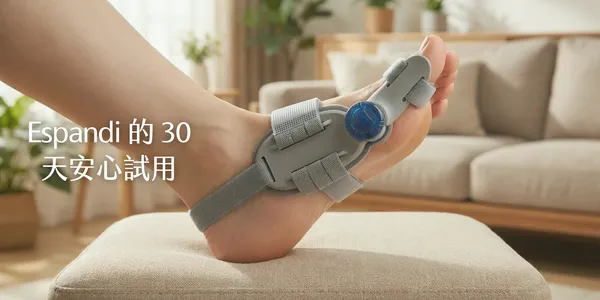
Braces mentioned in this article
This article is general health information. Braces give support and a posture reminder and do not treat any condition. See a doctor if you have symptoms.
What customers say about the Dial-Adjustable Big Toe Brace | Precise Angle Adjustment for Different Foot Shapes
Reviews are customers' personal experiences and do not represent product performance.
- ★★★★★
拇指外翻困擾很久了 想說買來試試看 效果還不錯 小貴的質料好 推薦給其他有需要的人👍
卓芸慧 · 2026-07-21
- 30-day trial, returns accepted
- Ships from Taiwan in 1–3 days
- Sizing help on LINE
FAQ
Q: How long do I need to wear it before I notice anything?
A: There's no answer that applies to everyone. The degree of the bunion, foot shape and lifestyle vary from person to person. Most users tell us it takes a while, and a steady wearing habit, before walking in shoes gradually feels less restricted. If you'd like to know roughly how long your own situation might take, or whether an aid suits you, we suggest asking a rehabilitation or orthopaedic specialist.
Q: Is a pharmacy toe spacer the same as a bunion corrector?
A: Both are supports that add space between the toes; the difference is when you use them. The silicone spacers sold in pharmacies are small and fit in shoes. Strap-style and dial braces are steadier and adjustable, but are mostly for home or overnight. See the comparison of the 3 types above.
Q: Will wearing it to bed affect my sleep?
A: It may take a few days to get used to at first. We suggest starting with 1–2 hours a night and gradually increasing. If it stops you sleeping well, cut the time down; there's no need to force it.
Q: Do I still need to wear one after surgery?
A: For aftercare, follow your surgeon's instructions completely, including whether to use an aid, which type and for how long. This isn't something to look up online.
Q: I have bunions on both feet. Should I wear one on each at the same time?
A: If both feet are affected, most people choose to wear them at the same time, and it feels more balanced too. If you're unsure, ask your doctor or physiotherapist first.
Q: Can I wear it with shoes on?
A: The Espandi bunion support comes with a fixed splint, so we suggest using it at home or while you sleep and removing it when you put shoes on. If you need something you can wear with shoes, take a look at silicone toe separators instead.
Q: Will a bunion go away on its own?
A: It's generally accepted that a bunion that has already formed won't go back on its own. So paying attention to your shoes and foot care early is usually more practical than waiting.
Q: Can I look after a bunion myself?
A: Changing your shoes, cutting down on long spells of standing and walking, and using a support while you rest are all things you can do yourself. But judging how far the bunion has progressed, and whether you need further treatment, still needs a doctor's assessment.
Q: Can children use one?
A: Children's feet are still developing. If you notice signs of a bunion, take them to a rehabilitation or orthopaedic specialist first and choose a suitable aid on the doctor's advice; we don't recommend buying an adult version for them.
※ This article is general health information for reference only and is not a substitute for professional diagnosis. If you have persistent pain, swelling or difficulty walking, please see a doctor promptly.
Keep reading
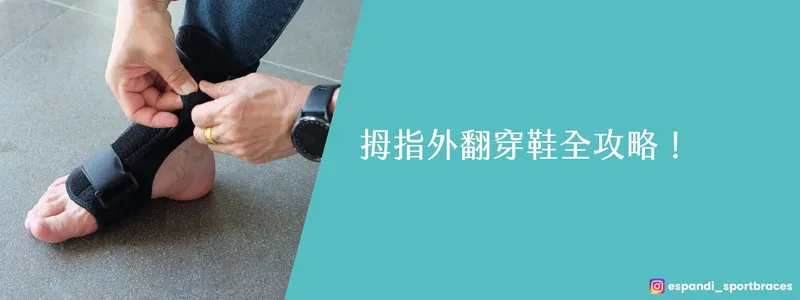
Bunions and Shoes: How to Choose Trainers and Walking Shoes, Plus 5 Simple Stretches
Still sore even with a toe support? The problem may be the shoes you wear every day. 6 keys to choosing shoes, how to pick for different occasions, and 5...
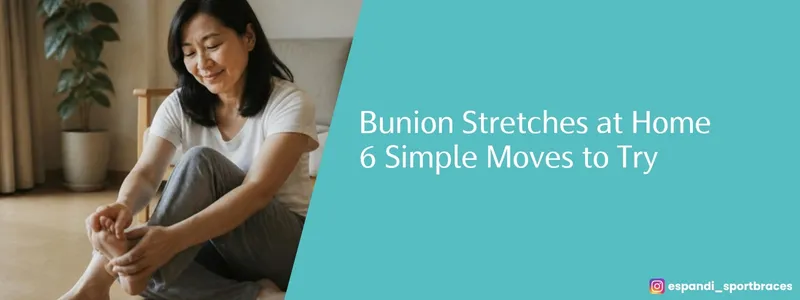
What Exercises Can You Do for a Bunion at Home? 6 Gentle Stretches, a Daily Routine and When to Stop
Big toe drifting further out of line, and wondering what you can do at home? Here are 6 bunion stretches that need no special equipment, each with reps and cautions,...
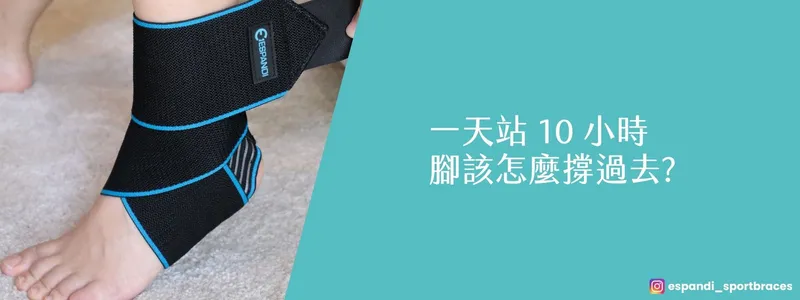
For Shop Staff, Nurses and Hospitality Workers: How to Get Your Feet Through a 10-Hour Day Standing
Sore feet from standing, aching soles after a full day on your feet, ankles so swollen by evening that your shoes feel tight - yet most advice only works once...