Bunions and Shoes: How to Choose Trainers and Walking Shoes, Plus 5 Simple Stretches
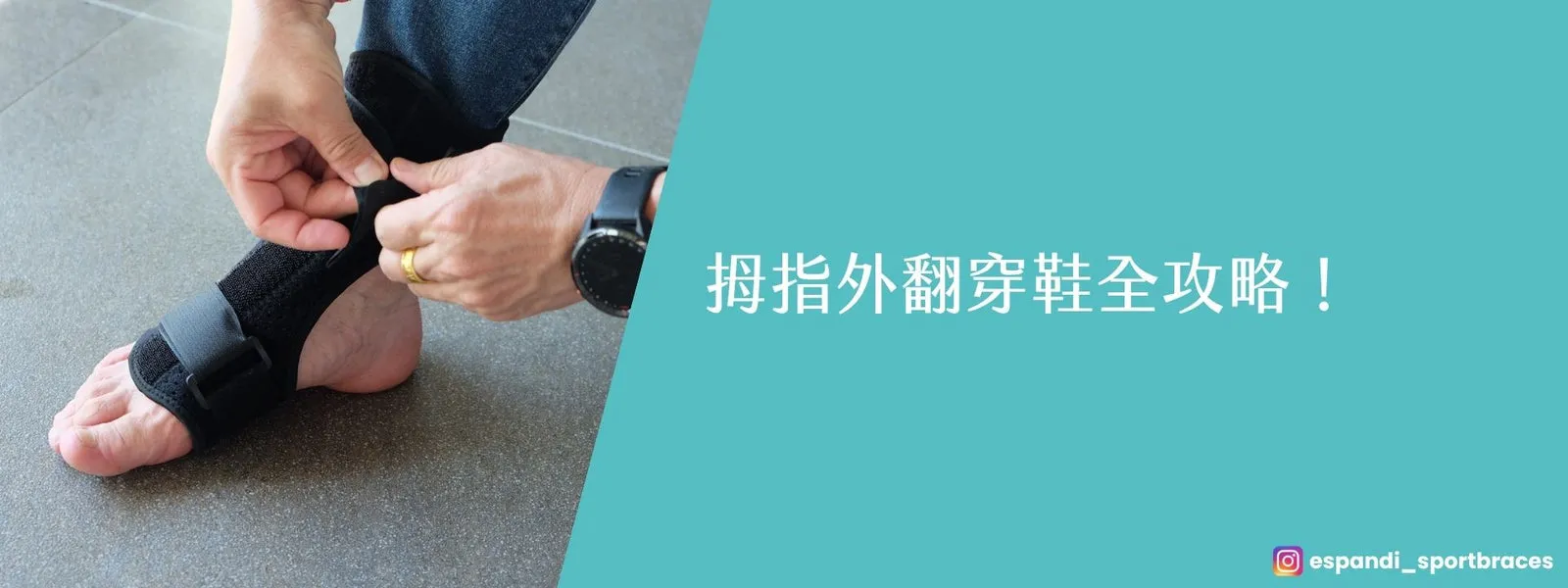
The short answer: with bunions (hallux valgus), choose wide-fit walking or training shoes with a round or square toe, a finger-width of space in front of the toes, arch support and a forefoot that bends smoothly, and avoid narrow, stiff racing shoes. The right shoes can reduce everyday squeezing and rubbing, but they won't return the bone to its original angle; if the joint is red and swollen, or the pain affects your walking, see a doctor.
This article is general health information. Braces give support and a posture reminder and do not treat any condition. See a doctor if you have symptoms.
You've worn a support and bought a toe strap, but as soon as you put your shoes on and head out, the discomfort comes back -
quite possibly it isn't the support that's the problem, but your shoes "working against you" every day.
Shoes are what you wear for longest each day. Rather than focusing only on supports, start with the shoes you wear for hours every day.
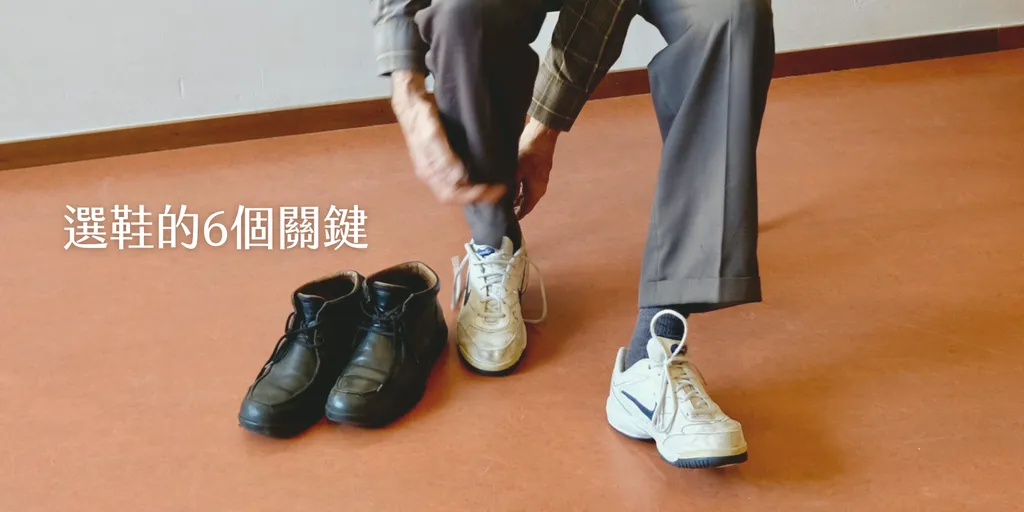
6 keys to choosing shoes - more important than how they look
1. The toe box should be wide and round enough
Pointed shoes are the worst choice. With every step, they push the big toe inwards. Choose a round or square toe so both the big toe and the little toe have room to move.
2. Choose a wide fit or wide last
A standard last is usually too narrow for a foot with a bunion. If the angle is already obvious, go straight for styles marked "wide fit" or "2E/4E".
3. The insole should support the arch
With the arch supported, pressure on the forefoot doesn't all end up at the base of the big toe. If the original insole isn't enough, add an arch support pad.
4. Keep heels under 3 cm
The higher the heel, the more pressure on the forefoot. It's not that you can never wear heels, but keep an eye on how often and for how long.
5. The shoe should flex at the forefoot
If the shoe is too stiff, it squeezes the big toe joint again as you walk. When trying shoes on, bend the front with your hand - it should flex smoothly.
6. Adjustable fastening
Hook-and-loop or laces let you fine-tune to how your feet are that day, rather than forcing your feet to fit the shoe.
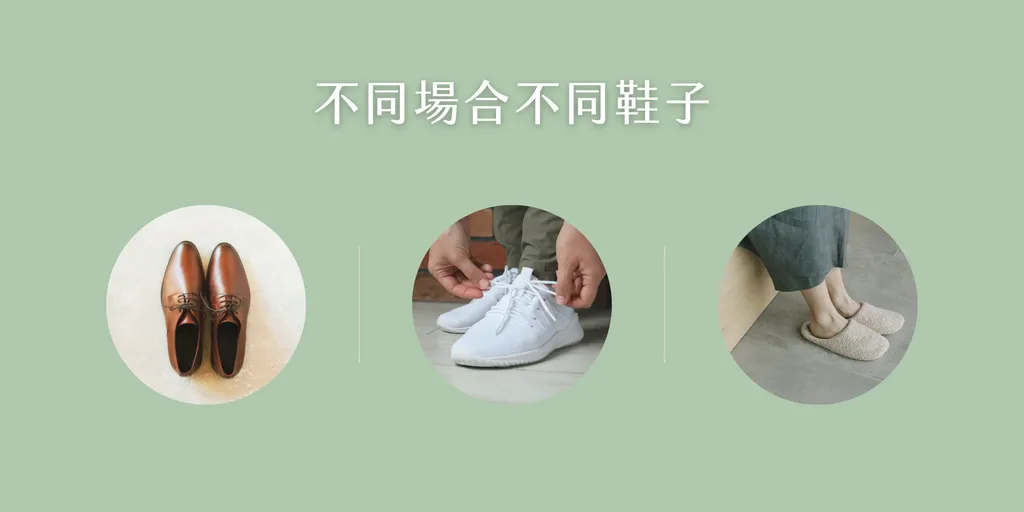
How to choose for different occasions
Work / going out
Round or square-toed closed shoes with arch support inside. If the original insole isn't supportive enough, add an arch support pad so pressure is less concentrated on one spot when you stand or walk for long periods.
Sport / walking
Wide-fit running or walking shoes with a finger-width of space in front of the toes. Racing shoes may be light, but they're narrow and give little support, which isn't kind to a foot with a bunion - avoid them.
At home
Don't assume you can go barefoot on hard floors just because you're at home - with no support for long periods, the arch and big toe are still compensating. Switch to indoor slippers with a basic arch contour.
👉 Further reading: Sore soles when walking? Flat feet, arch pain: causes and what to do
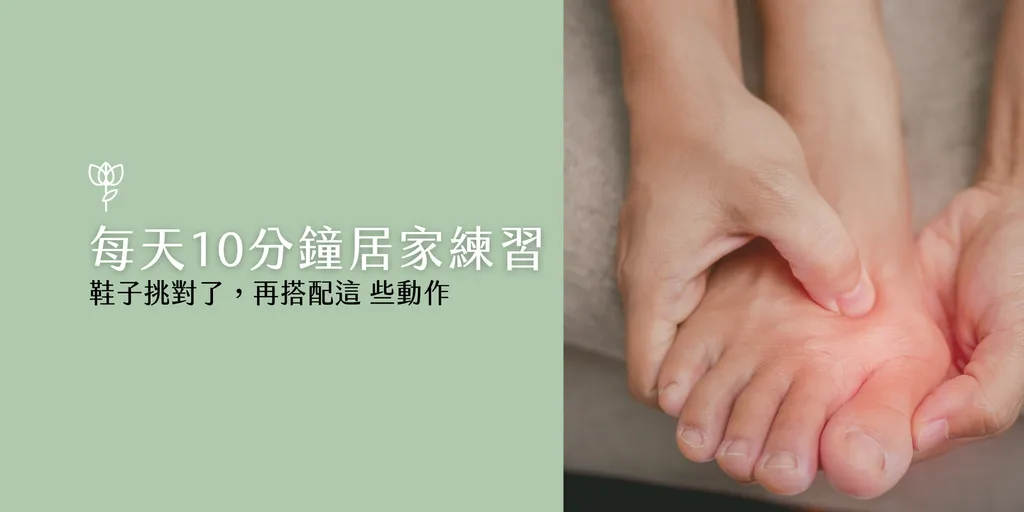
5 home stretches, 10 minutes a day
Once you've got the right shoes, add these 5 movements to give the foot muscles a little more control.
① Towel scrunches
Sitting down, lay a towel flat under your foot and repeatedly grip it with your toes, then relax. This works the small muscles of the sole.
② Lifting the big toe on its own
Keep the other four toes on the floor and practise lifting just the big toe. Feet with bunions often find this hard - take it slowly.
③ Calf and plantar fascia stretch
A small lunge against a wall, front heel planted, back heel staying on the floor.
④ Toe spreading practice
With a toe separator on, practise actively pushing the big toe outwards. The point is to "actively use the muscle", not just to wear it.
⑤ Standing balance practice
When standing, consciously spread your weight evenly across the whole foot rather than letting it fall onto the inside of the forefoot. Many people have no idea they do this.
⚠️ These five movements are general foot activities, not a personal exercise prescription. Stop straight away if anything hurts. If you already have pain or inflammation, or aren't sure whether they suit you, check with a physiotherapist or doctor first.
5–10 minutes a day - the point is doing them "every day", not doing them hard.
Arch supports + toe separators: how do they fit together?
The two complement each other; one doesn't replace the other:
- Arch support: goes in your shoe and spreads the pressure on the forefoot. Especially useful if you also have flat feet or a collapsed arch.
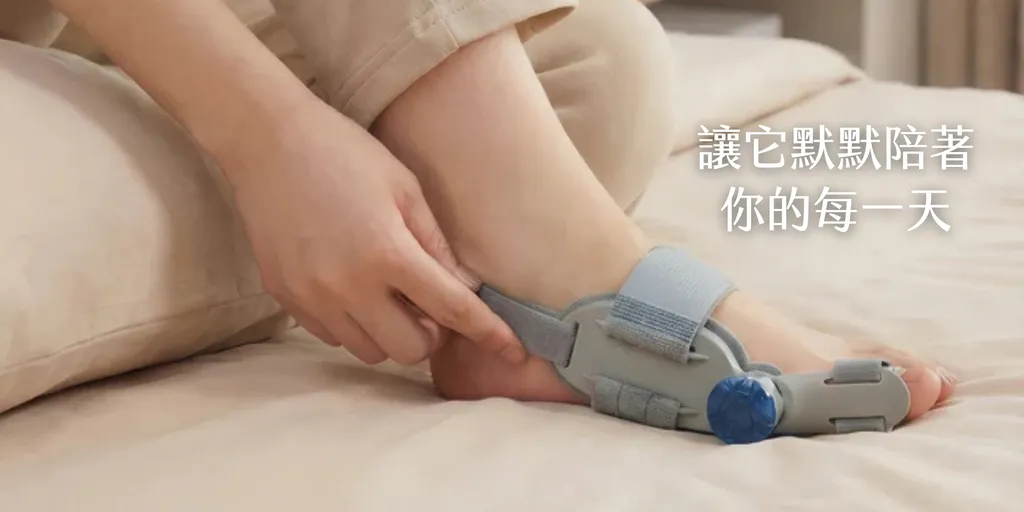
- Toe separator: used at home alongside the toe spreading practice above. It provides spacing and support between the toes, as an aid.
👉 Further reading: Do bunion correctors work? What they can and can't do, and how long to wear one a day
If you notice these, don't put it off - it's time to see a doctor
If, after changing your shoes and stretching for a while, you still have any of the following, go straight to a foot and ankle specialist or rehabilitation clinic for an assessment:
- walking pain is already affecting daily life
- the big toe joint is red, swollen and warm
- the appearance has changed noticeably in a short time
- the second toe is also deformed, or rubbing wounds keep coming back
- it hurts even when you're not walking or wearing shoes
These situations need a professional to decide the next step - changing shoes or buying a support won't solve them.
Frequently asked questions
Q: What kind of trainers suit bunions?
Choose wide-fit, round-toed walking or training shoes with a finger-width of space in front of the toes. Avoid stiff, narrow racing shoes - light doesn't mean right for your feet.
Q: If I choose the right shoes, will the bunion angle get smaller?
No. Shoes can reduce everyday squeezing and rubbing and make walking a little more comfortable, but they won't return the bone to its original angle. No shoe, support or insole can do that.
Q: Can I use an arch support and a toe separator together?
Yes - they do different jobs. An arch support spreads pressure across the sole; a toe separator provides spacing between the toes while you rest. Both are tools to make everyday life a little more comfortable.
Q: How long do the stretches take before I feel anything?
It varies from person to person. Frequency matters, not intensity. Pushing too hard can actually make the sole uncomfortable - taking it slowly is the right approach.
Q: Do children and young people need to think about shoes too?
Yes. Wearing ill-fitting shoes for long periods isn't good at any age. If a teenager is already showing signs of a bunion, take them to a rehabilitation or orthopaedic doctor first; buying adult aids for them isn't recommended.
※ This article is general health information for reference only and is not a substitute for professional diagnosis. If you have persistent pain, swelling or difficulty walking, please see a doctor promptly.
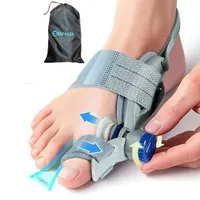
Braces mentioned in this article
This article is general health information. Braces give support and a posture reminder and do not treat any condition. See a doctor if you have symptoms.
What customers say about the Dial-Adjustable Big Toe Brace | Precise Angle Adjustment for Different Foot Shapes
Reviews are customers' personal experiences and do not represent product performance.
- ★★★★★
拇指外翻困擾很久了 想說買來試試看 效果還不錯 小貴的質料好 推薦給其他有需要的人👍
卓芸慧 · 2026-07-21
- 30-day trial, returns accepted
- Ships from Taiwan in 1–3 days
- Sizing help on LINE
Keep reading
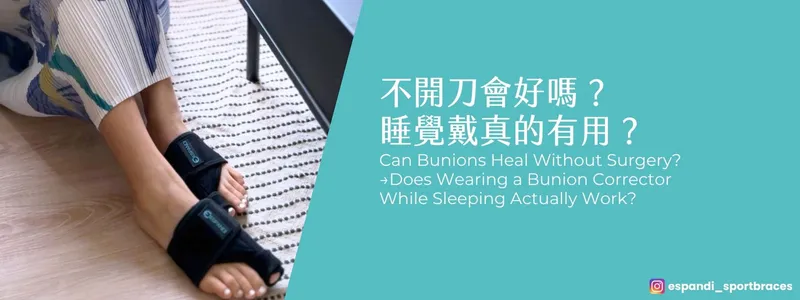
Do Bunion Correctors Work? Can a Bunion Get Better Without Surgery, Is Wearing One Overnight Worthwhile, and What to Look For
Can a bunion get better without surgery? Is it worth wearing a support overnight? This article explains the common causes of bunions, what a support can and can't realistically do,...
What Exercises Can You Do for a Bunion at Home? 6 Gentle Stretches, a Daily Routine and When to Stop
Big toe drifting further out of line, and wondering what you can do at home? Here are 6 bunion stretches that need no special equipment, each with reps and cautions,...
For Shop Staff, Nurses and Hospitality Workers: How to Get Your Feet Through a 10-Hour Day Standing
Sore feet from standing, aching soles after a full day on your feet, ankles so swollen by evening that your shoes feel tight - yet most advice only works once...