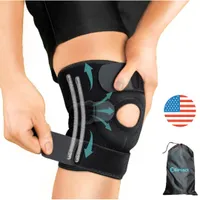
How to Look After Your Knees When Hiking, Climbing Stairs and Brisk Walking: 4 Knee Care Tips Plus Training Advice
The short answer: common causes of knee pain when hiking, climbing stairs or brisk walking include weak muscles, poor technique, overuse of ligaments or tendons, and joint wear. We suggest warming up and stretching before exercise, slowing down on descents and keeping your knees in line with your toes, and building strength in your quads, glutes, legs and core while keeping your weight in check. A knee brace can be used as an aid; if knee pain persists or your knee swells, please see a doctor.
This article is general health information. Braces give support and a posture reminder and do not treat any condition. See a doctor if you have symptoms.
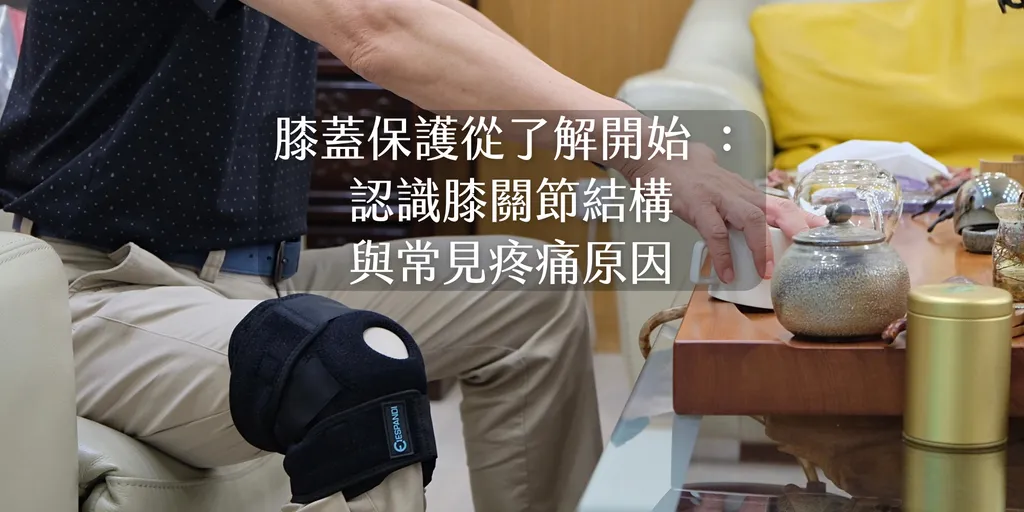
Knee pain is one of the most common complaints among middle-aged and older adults and people who love the outdoors. Apart from age, weak muscles and poor exercise technique can also put extra load on the knees. By learning some knee care tips, strength training and everyday care habits, you can enjoy hiking, brisk walking and climbing stairs with more peace of mind.
Understanding knee pain
- How the knee joint is built
- The knee is made up of the femur, tibia and patella; cartilage covers the joint surfaces and ligaments keep it stable
- The meniscus acts like a "shock absorber", cushioning impact
- Common causes of knee pain
- Osteoarthritis: cartilage wear and bone spurs
- Ligament or tendon strain: from not warming up or overuse
- Weak muscles: especially weak quads and glutes, which increase the pressure on the knee joint
- Tip: knee pain doesn't simply mean ageing; strength training can reduce the load on your knees, and a brace can be used as an aid
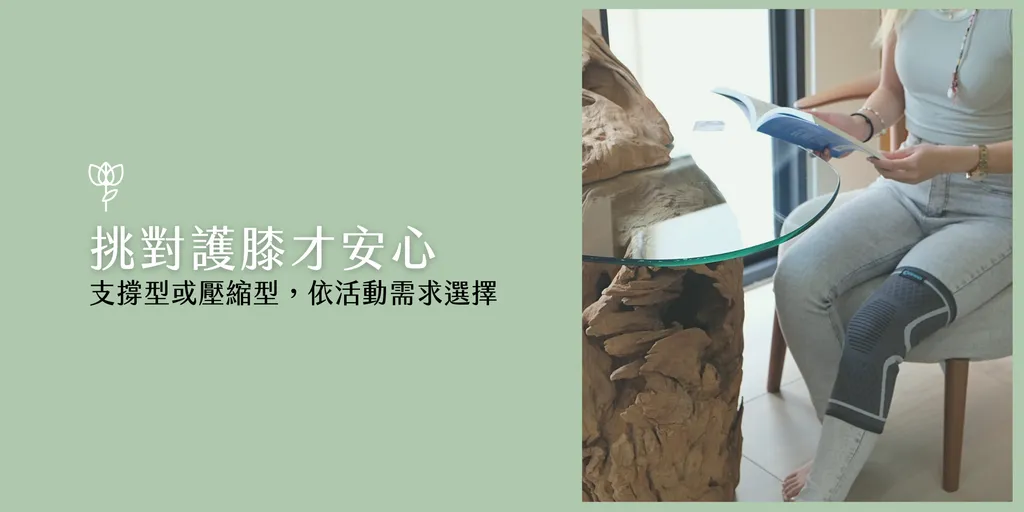
Knee care tips (4 key points)
Choose the right knee brace
- Support knee braces: suitable for people with some joint wear or a slightly unstable knee
- Compression knee sleeves: a close, snug fit, suitable for wearing during exercise
- For hiking or long walks, you can choose a knee brace that combines support and compression
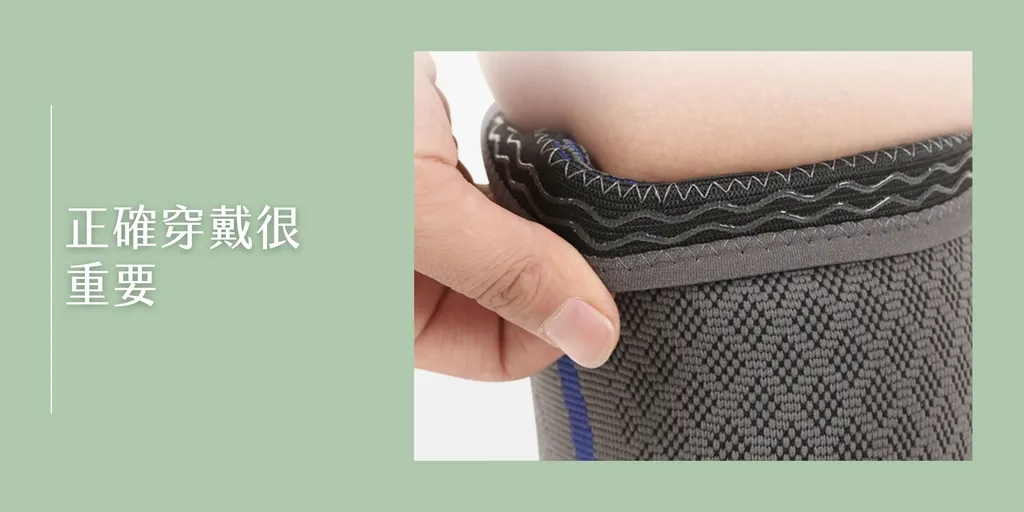
How to wear it properly
- Line up the centre of your knee with the marker on the brace
- Too tight can restrict circulation, and too loose won't give any support
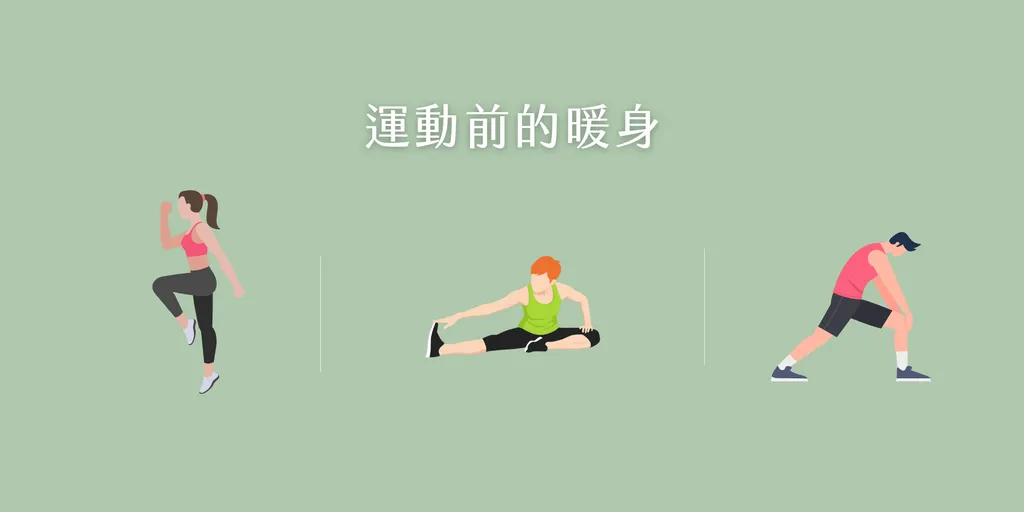
Always warm up and stretch
- 5–10 minutes before exercise: brisk walking or marching on the spot, then static stretches for the front and back of the thighs and the glutes
- Control your technique while exercising
- Climbing stairs: don't let your knees cave inwards, and keep a moderate stride
- Walking or hiking: keep your knees pointing the same way as your toes to reduce twisting forces
- Pro tip: the knee joint takes the most load when going downstairs or downhill, so we suggest wearing a knee brace and slowing down at these times
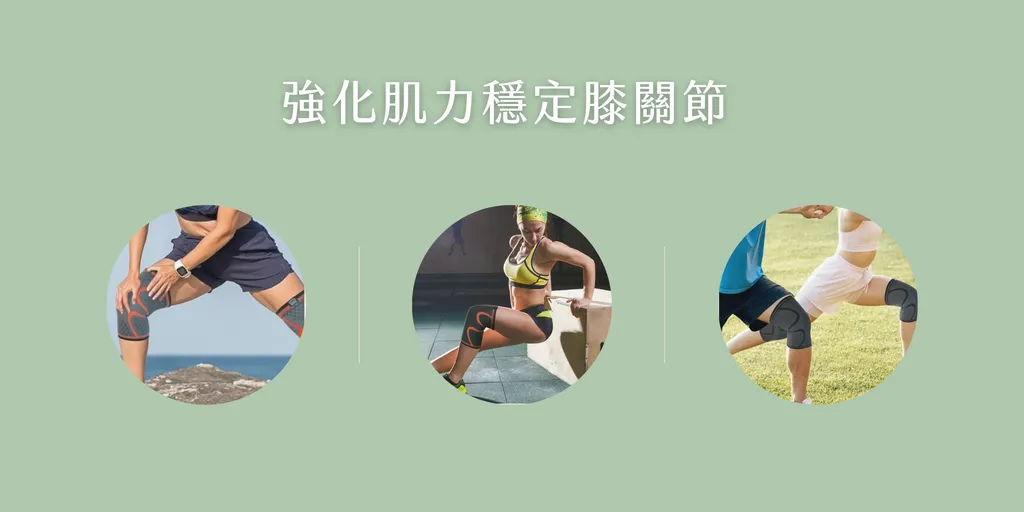
Knee strength training tips
- Quads: seated leg raises and wall sits
- Glutes and legs: bridges and side leg raises
- Balance training: standing on one leg, using a wall for support
- Core: the abdominal and lower back muscles help keep the knee joint stable
- How often: 10–15 minutes per session, 3–4 times a week is enough
In technical terms: knee stability relies mainly on the quads, gluteus medius and core; the stronger these muscles are, the less pressure the knee takes and the less pain you tend to feel
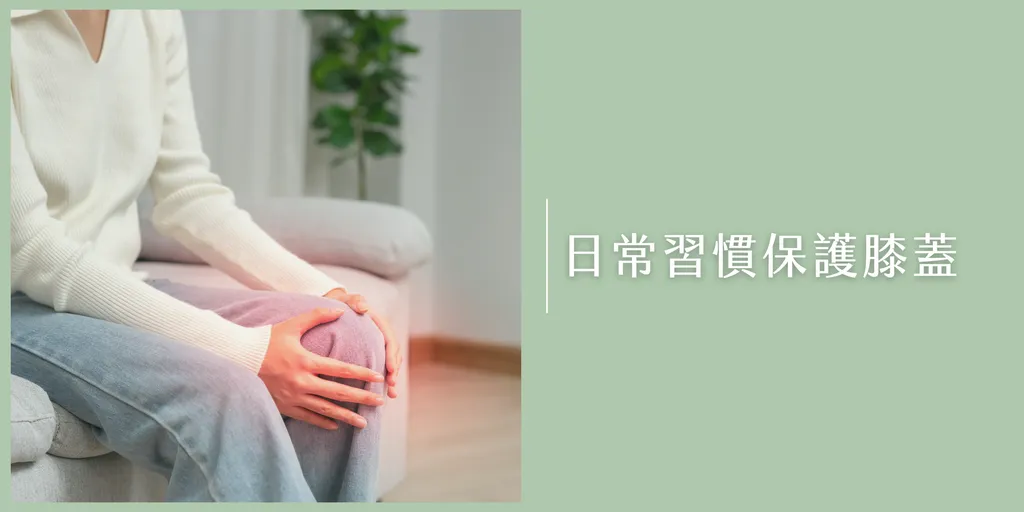
Everyday care and habits
- Avoid sitting still for long periods: get up and walk around for 2–3 minutes every hour
- Weight management: every 1 kg of weight lost can reduce the load on the knees by 3–4 kg
- Heat vs ice: heat before exercise can increase blood flow; if you have pain or swelling after exercise, ice for 10–15 minutes
- Nutrition: eating plenty of foods containing collagen and omega-3 can help look after your joints
- When to see a doctor: if knee pain persists, your knee swells or makes noises, we suggest seeing an orthopaedic specialist or physiotherapist
Looking after your knees isn't hard; the key is combining knee care, strength and good technique with everyday care. If you want to enjoy hiking, brisk walking and climbing stairs more freely, start looking after your knees today!
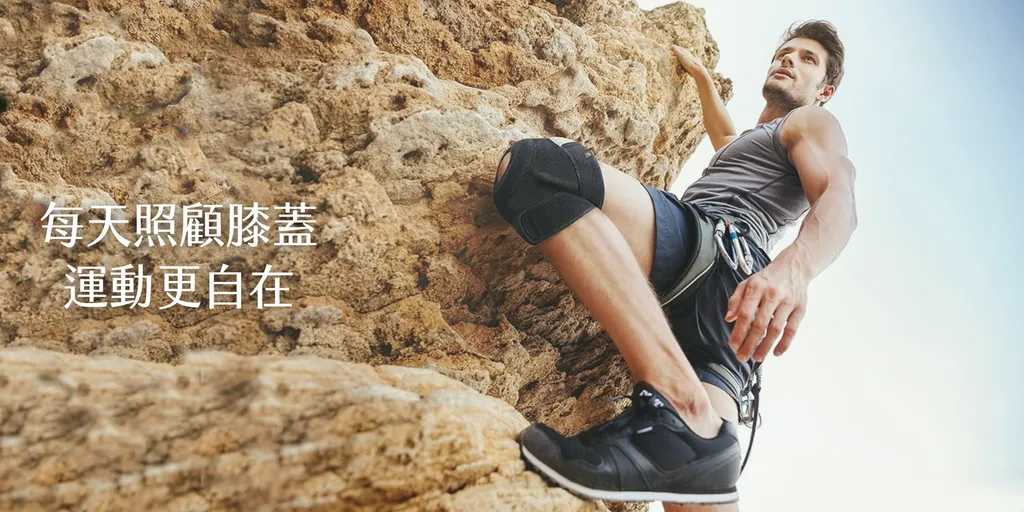
A quick suggestion: the Espandi knee brace is shaped to fit the knee, combines support and compression, and is suitable for hiking, brisk walking or everyday activities
Braces mentioned in this article
This article is general health information. Braces give support and a posture reminder and do not treat any condition. See a doctor if you have symptoms.
What customers say about the Adjustable Sports Knee Brace | Knee Support for Stairs and Hiking
Reviews are customers' personal experiences and do not represent product performance.
- ★★★★★
商品到貨的包裝品質非常OK, 到貨的速度也非常迅速, 非常值得 推薦給各位 好買家參考
d*****8 · 2026-06-16 - ★★★★★
品質不錯,配送速度快,與圖片相符。有機會會再回購。
b*****8 · 2026-01-06
- 30-day trial, returns accepted
- Ships from Taiwan in 1–3 days
- Sizing help on LINE
Keep reading
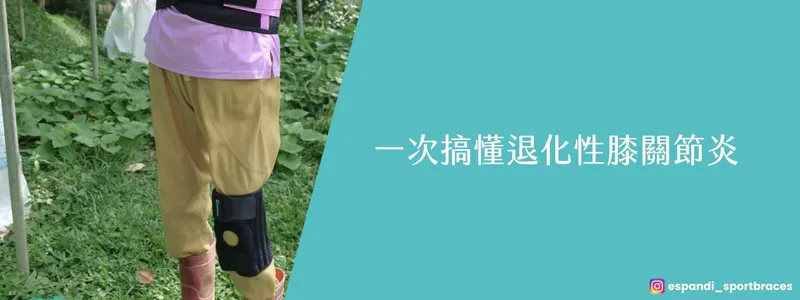
Stiff, Creaky Knees That Hurt on the Stairs - Is It "Wear and Tear"? Knee Osteoarthritis Explained
Knees that feel stiff and creaky, hurt on the stairs, or complain when you stand up from a squat - does that mean they're wearing out? Learn the common symptoms...
What Exercises Can You Do for a Bunion at Home? 6 Gentle Stretches, a Daily Routine and When to Stop
Big toe drifting further out of line, and wondering what you can do at home? Here are 6 bunion stretches that need no special equipment, each with reps and cautions,...
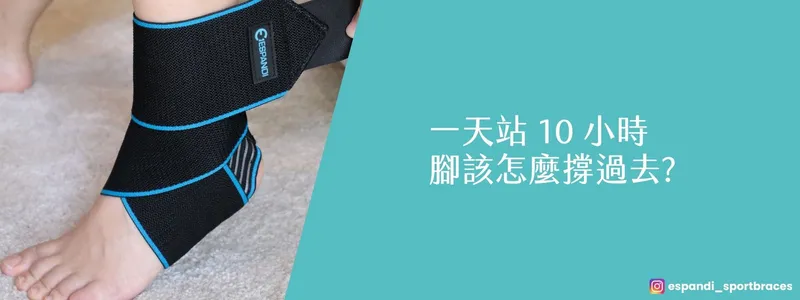
For Shop Staff, Nurses and Hospitality Workers: How to Get Your Feet Through a 10-Hour Day Standing
Sore feet from standing, aching soles after a full day on your feet, ankles so swollen by evening that your shoes feel tight - yet most advice only works once...