Back Feeling It After 45? 5 Everyday Habits and a Back Support Buying Guide for Moving More Easily, Even When You Sit a Lot
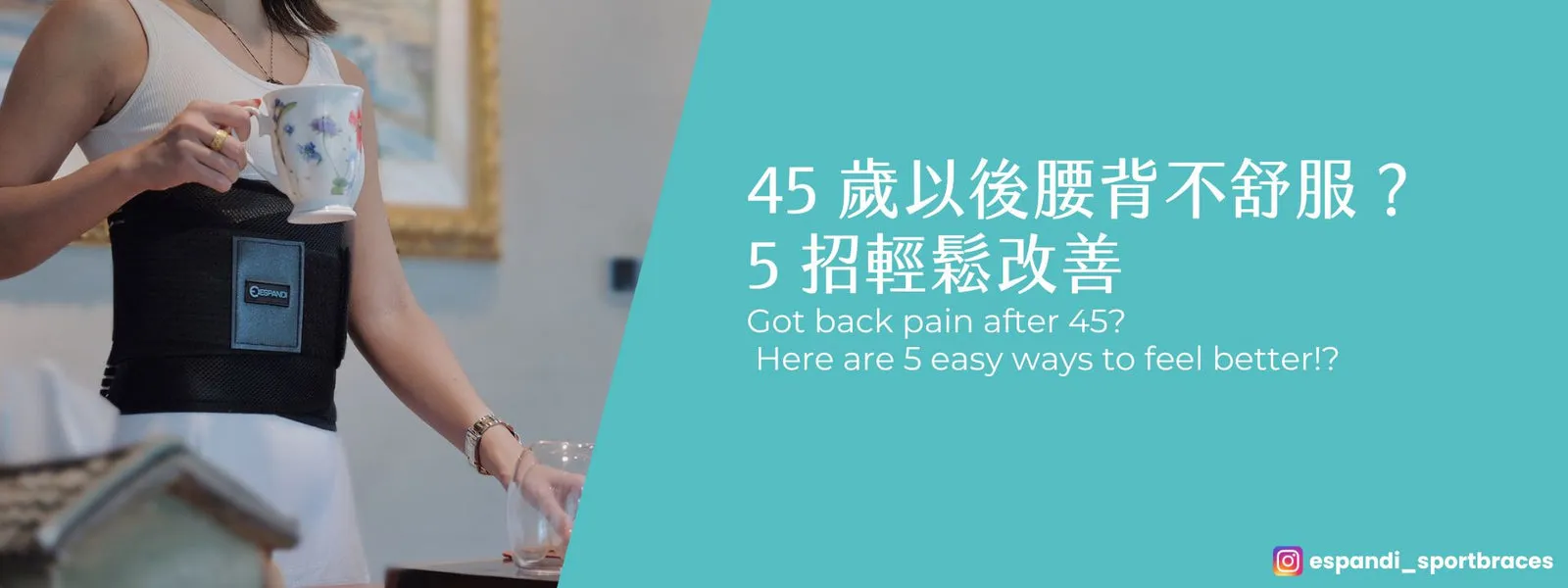
The short answer: back discomfort after 45 is often linked to losing muscle mass and holding the same sitting position for too long. Day to day, you can get up and stretch every 30–45 minutes, adjust your chair and screen height, train your core and choose a medium-firm mattress. A back support can be used as an aid when you're active, but habits are what matter most; if pain persists or gets worse, please see a doctor.
This article is general health information. Braces give support and a posture reminder and do not treat any condition. See a doctor if you have symptoms.
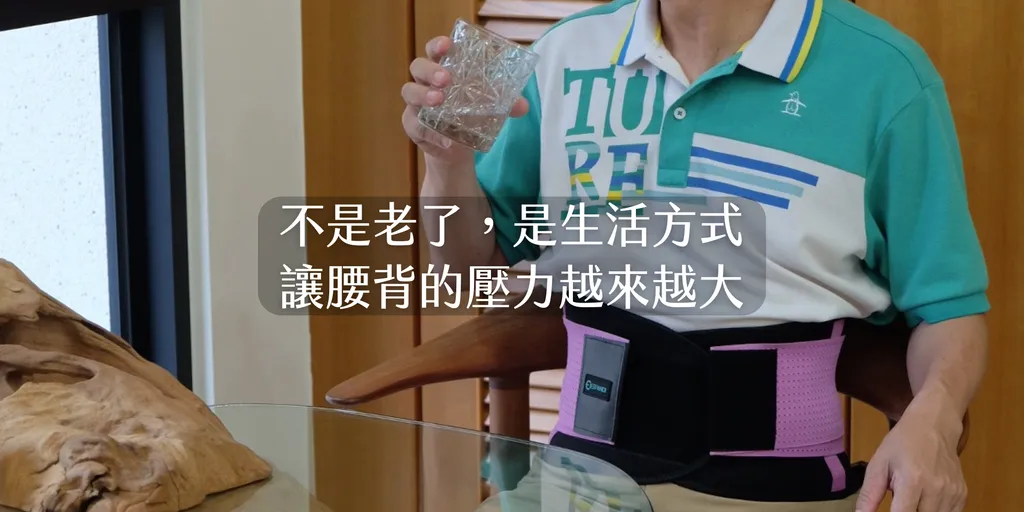
Do you often feel your lower back is "a bit tight" or that it aches as soon as you've been sitting for a while?
It isn't simply getting older; the way we live puts more and more pressure on our backs. Especially after 40 or 50, muscle mass starts to decline and we often hold one position for too long, so the load on the lower spine naturally increases.
The good news: small changes can make your back feel a lot more comfortable!
Today we want to share a few good habits we've tried ourselves, and at the end we'll look at how to choose a back support for a little extra support.
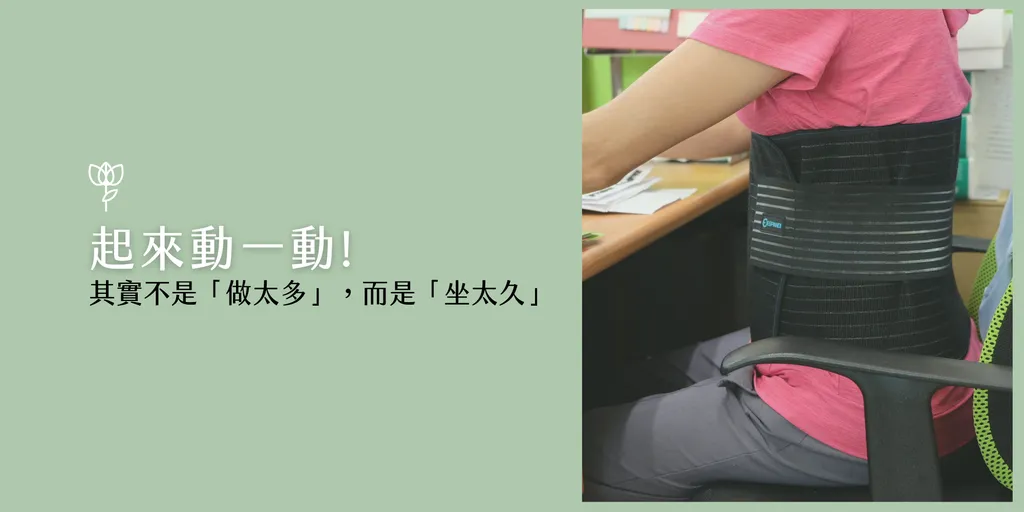
💡1. Move every 30–45 minutes
The biggest culprit behind an achy back isn't doing too much; it's sitting too long.
Holding one position for a long time concentrates the pressure on the same part of the lower spine, so even if you sit "properly", it can still ache.
👉 Every 30–45 minutes, get up and walk around, have a good stretch, have a drink of water, or do a few simple stretches:
- Reach both arms up high and lean back slightly
- Put your hands on your lower back and push your chest forwards
This helps the back muscles relax a lot.
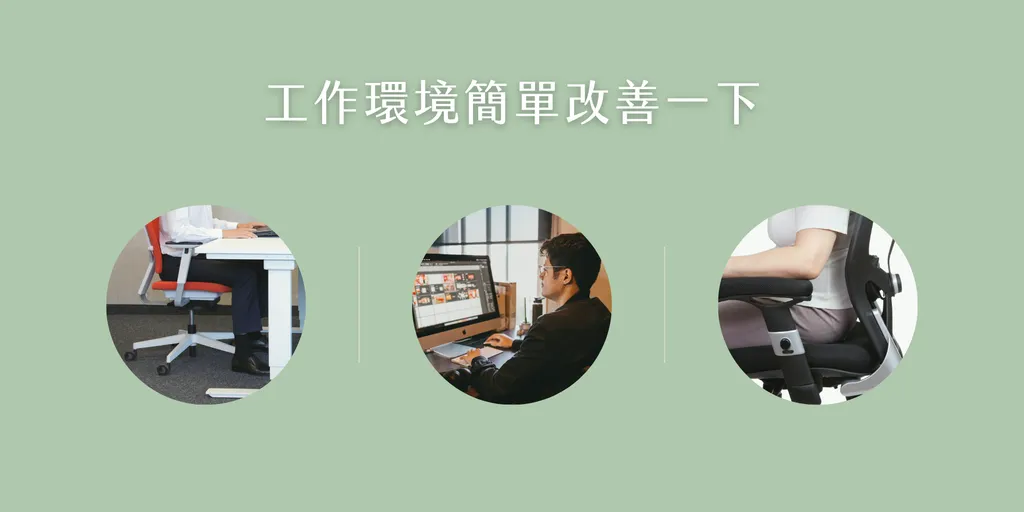
🪑2. Sort out your sitting set-up so your back isn't working so hard
For many people, back ache isn't about bad posture but about a chair that's too low and a screen that's too low.
Try adjusting your workspace:
- Set your chair so your knees are slightly higher than your hips
- Have the top of your screen level with your eyes
- Rest your back against the backrest or a cushion (rather than sitting with your lower back hunched)
Sometimes just a small cushion on the backrest gives your back noticeably more support.
💪3. Train your core so your lower back isn't doing all the work
Your core muscles are like a "seatbelt" for your lower back.
When they weaken, the lower spine has to carry your whole body's weight on its own.
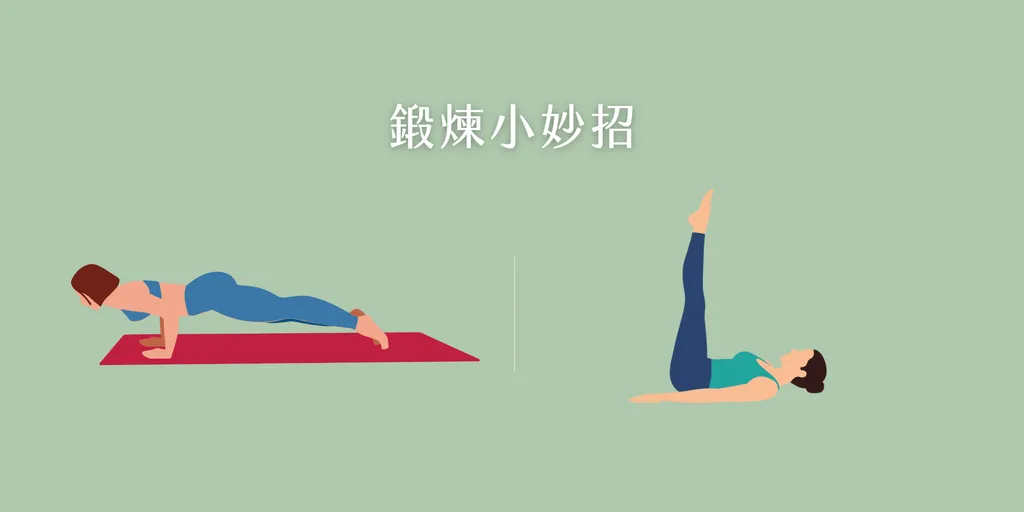
Spend 5 minutes a day on some simple exercises:
- Plank (hold for 20–30 seconds)
- Leg raises or bridges (for the lower abdomen and glutes)
Over time, this not only helps your posture but also makes your lower back steadier and less prone to aching.
💤4. Your sleeping position affects your back too
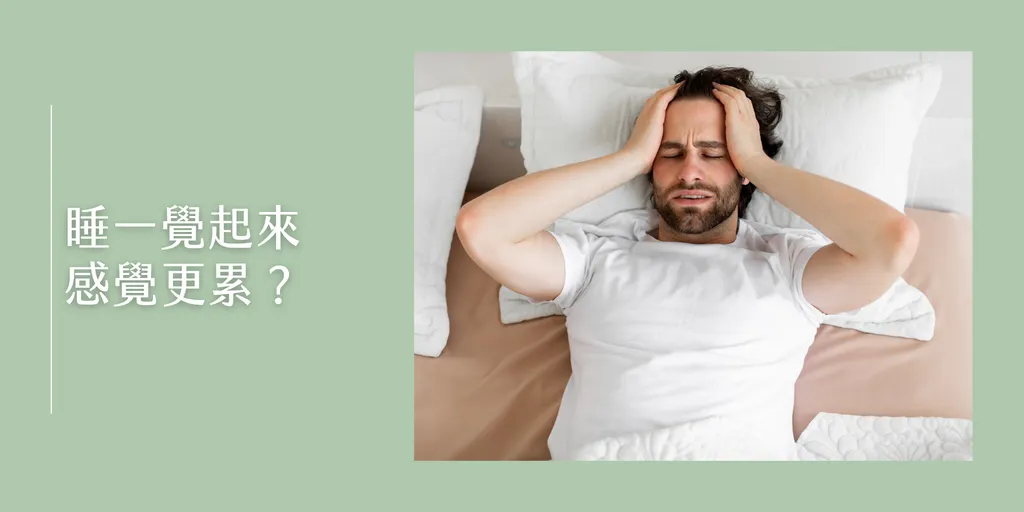
If you wake up with back ache, the cause may be a mattress that's too soft or a pillow at the wrong height.
We suggest a medium-firm mattress, which helps keep the spine in its natural curve. If you sleep on your side, put a small pillow between your knees to reduce twisting pressure on the pelvis.
Get your sleeping position right and your back can feel much easier during the day.
🧣5. Use a back support wisely to make everyday activities easier
Many people think a back support is only for "people with bad backs", but it's really more of a helper for when you're active.
I put one on for a little extra support myself when I'm lifting things, sitting at the computer for a long time or walking a lot on holiday.
When choosing a back support, look out for these points:
- Enough support without feeling stuffy (for example, breathable stretch fabric)
- Adjustable tightness (so you can fine-tune it for different situations)
- A close fit that doesn't slip
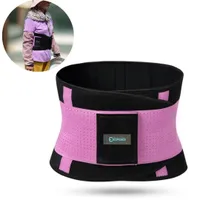
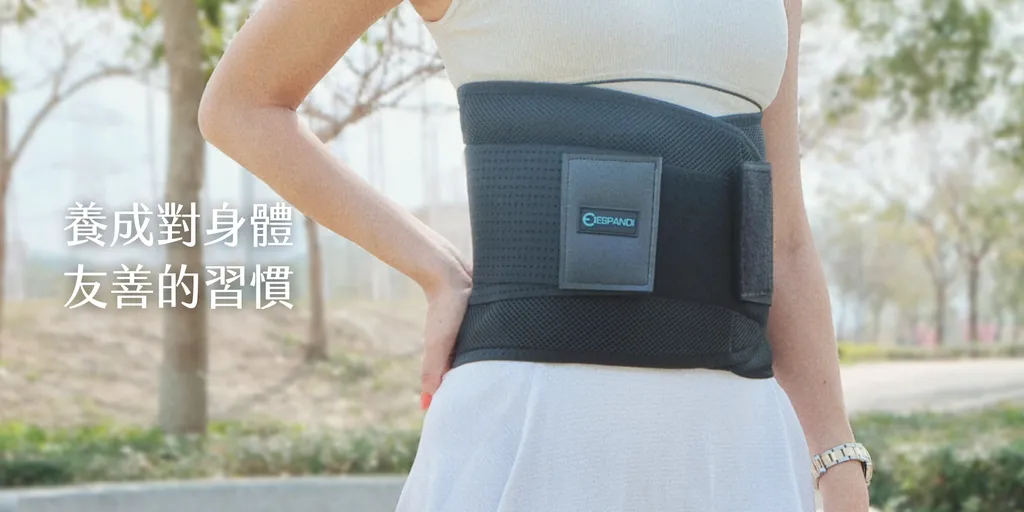
The Espandi back support is designed for long hours of sitting or work. It offers stretchy support and is breathable and lightweight, without the bulky feel of traditional braces.
A friend of mine who sits in the office for more than eight hours a day switched to this one and says it "doesn't feel tight".
🌿Relaxing your back starts with habits
There's no "quick fix" for back problems; the key is building habits that are kind to your body.
Get up regularly, keep your core stable, adjust your surroundings and support your sleep, with a suitable back support as an aid, and even people who sit a lot can feel at ease and strong.
If your back often feels tight and achy, why not try these tips from today
and help yourself stand tall again. 💪
Braces mentioned in this article
This article is general health information. Braces give support and a posture reminder and do not treat any condition. See a doctor if you have symptoms.
What customers say about the Lumbar Support Belt for Older Adults | Aluminium Stays for Extra Stability, Bright Purple
Reviews are customers' personal experiences and do not represent product performance.
- ★★★★★
很快就收到商品了 💯 出貨速度非常的快,當天下單隔天就出貨了!非常棒的賣家 質感又耐看,細膩 包裝得很小心 CP值很高!!推薦購入
h*****3 · 2025-07-14
- 30-day trial, returns accepted
- Ships from Taiwan in 1–3 days
- Sizing help on LINE
Keep reading
For Shop Staff, Nurses and Hospitality Workers: How to Get Your Feet Through a 10-Hour Day Standing
Sore feet from standing, aching soles after a full day on your feet, ankles so swollen by evening that your shoes feel tight - yet most advice only works once...

Lower Back Ache? A Problem for 8 in 10 People in Taiwan, and 6 Everyday Ways to Look After Your Back
More than 8 in 10 people in Taiwan deal with lower back ache, and long hours of sitting, poor posture and weak core muscles are the main causes. This article...

How to Choose a Back Support Belt: 5 Tips for Finding the Right One for You
As many as 84% of people have had lower back discomfort at some point, and a back support belt is one everyday option for extra support. This article shares 5...