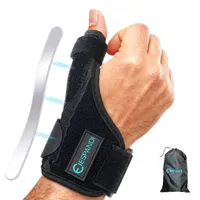
Pain at the Base of Your Thumb So Bad You Can't Turn a Door Handle? You May Already Have De Quervain's

The short answer: pain at the base of the thumb near the wrist, with a sharp twinge when you turn a door handle or wring out a towel, is commonly caused by De Quervain's tenosynovitis (often called "mummy thumb"). You can start with the Finkelstein test as a simple self-check. The key is to cut down on the movements that set it off and use ice in the acute phase; a wrist brace can be used as an aid. If symptoms last more than 4–6 weeks or affect daily life, see a doctor.
This article is general health information. Braces give support and a posture reminder and do not treat any condition. See a doctor if you have symptoms.
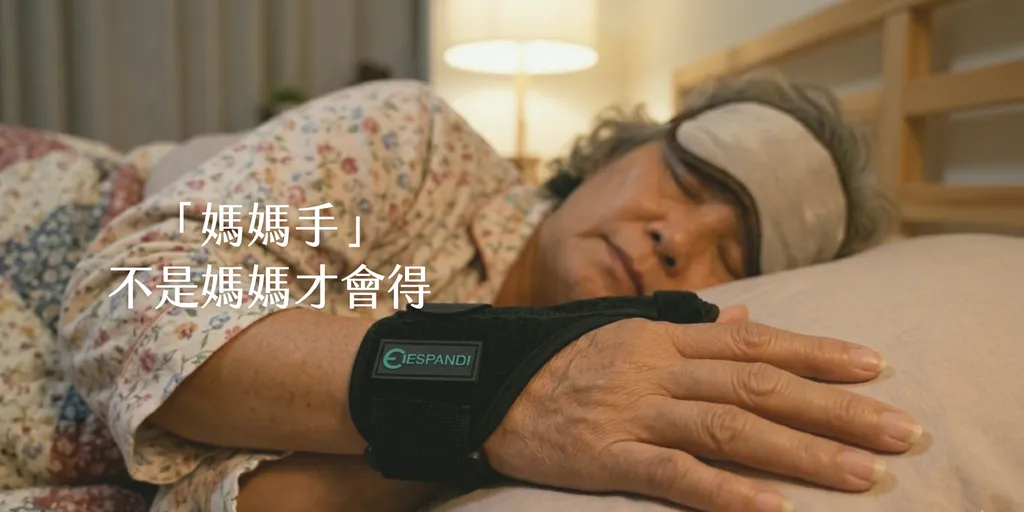
Many people discover it suddenly one day -
not with dramatic pain, but during a very ordinary movement: turning a tap, wringing out a towel, picking up a child, lifting a coffee cup - and a sharp pain shoots through the base of the thumb, enough to make you stop for a second.
It isn't a sprain, you didn't knock it, and there's no obvious cause. But it's there every day, and it's happening more and more often.
If that sounds familiar, this article is for you.
"Mummy thumb" doesn't only happen to mums
The medical name for mummy thumb is stenosing tenosynovitis (De Quervain's tenosynovitis). It affects two tendons that run from the base of the thumb to the thumb side of the wrist - when they're overused and rub repeatedly over a long period, their outer sheath becomes inflamed and swollen, so every time you move your thumb it's like pulling a rope that's already frayed.
Despite the name, all of the following people are prone to it:
New parents: dozens of times a day you lift the baby, support their head and change nappies, and your thumbs take far more force than you'd imagine.
People who scroll on their phones for hours: holding the phone in one hand while the thumb swipes up and down makes the tendons on the thumb side work again and again, and it is a common trigger.
Homemakers: wringing towels, chopping vegetables, mopping, twisting jar lids - these movements look easy, but added together the wear on the thumb tendons is remarkable.
Hairdressers, massage therapists and chefs: jobs that use the thumb forcefully for long periods put them at high risk.
Women around the menopause: hormonal changes affect the elasticity and resilience of tendons, making all kinds of tendon problems more likely at this stage.
How do you know it's mummy thumb? Try this movement test
There's a simple self-test known in medicine as the Finkelstein test:
- Tuck your thumb into your palm and wrap your other four fingers around it in a fist
- Bend your wrist sideways towards the little finger (downwards)
- If this causes a clear, sharp pain from the base of the thumb to the wrist - you very likely already have mummy thumb.
Other common symptoms include swelling at the base of the thumb, pain when you press it, particular stiffness when you first get up in the morning, and pain that gets worse when pinching or twisting.
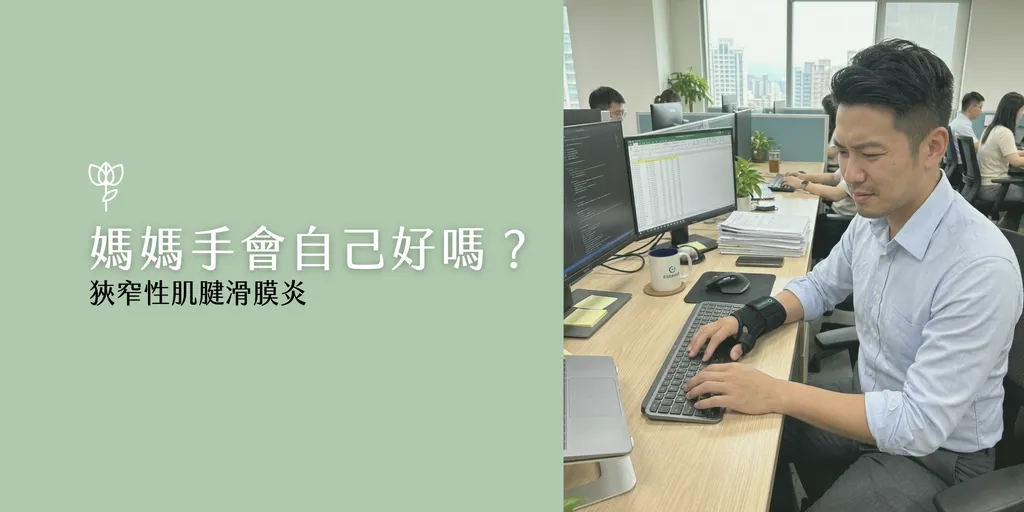
Will mummy thumb get better on its own?
Mild mummy thumb can settle with proper rest and fewer of the movements that set it off, and a support can be used as an aid.
But the key is "real rest" - not just using your phone a bit less, but actually letting the inflamed tendon stop.
The problem is that the thumb is involved in almost every hand movement, so it's hard to avoid using it completely in daily life. That's why a wrist brace (a mummy thumb support) matters so much at this stage - it isn't a treatment, but it helps you firmly limit specific thumb movements, so the tendon gets the breathing space it needs while you carry on with your life.
If symptoms last more than six weeks or the pain affects daily life, see a doctor. They may suggest anti-inflammatory medication or a steroid injection, and severe cases may need surgery.
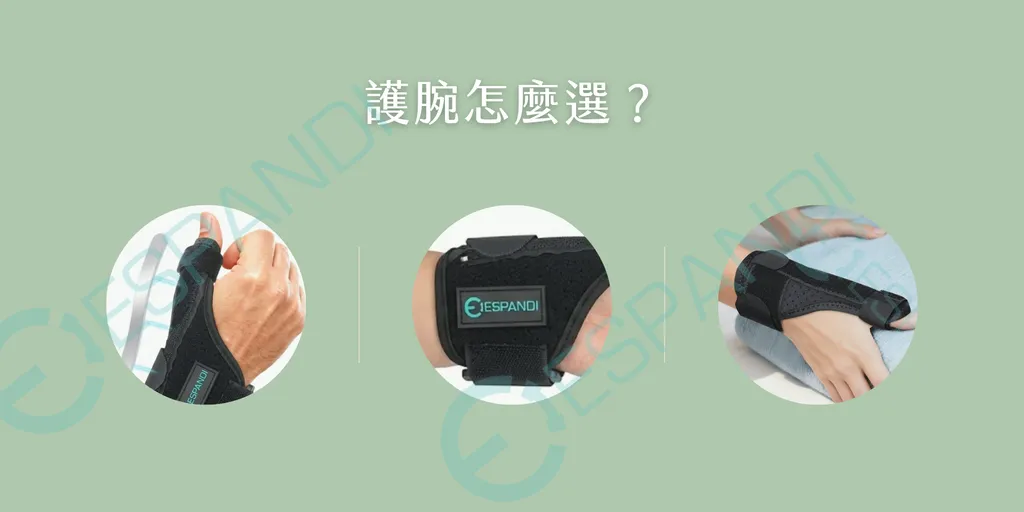
How to choose a wrist brace: 3 things to look for in a mummy thumb support
There are plenty of wrist braces on the market, but mummy thumb doesn't need an ordinary sports wrist support - it needs one with a thumb-stabilising design.
Point one: a thumb sleeve or thumb strap This is the most important feature. An ordinary wrist support only wraps the wrist, but mummy thumb is a problem with the tendons at the base of the thumb, so the thumb needs to be held as well for the support to be in the right place.
Point two: adjustable firmness The acute inflammatory phase calls for firmer support, while everyday use once symptoms ease calls for a lighter style with more freedom of movement. Choose a design with adjustable hook-and-loop fastenings so you can adjust it to how you feel that day.
Point three: comfort for everyday wear A mummy thumb support needs to be worn as much as possible during the day, and if the material is too thick or doesn't breathe, you won't want to wear it. Choose a light, breathable, stretchy material so you can actually keep wearing it.

Besides a wrist brace, these things matter too
Change how you hold your phone: scroll with your index finger instead of your thumb, or use a phone stand to cut down on holding time.
Change how you hold the baby: avoid supporting the baby with just your thumbs; use your whole palm and forearm instead to spread the load.
Do this stretch three times a day: open your thumb outwards, hold for 15 seconds, then relax. Repeat 10 times. This helps the tendon regain its flexibility, but skip it while there's acute inflammatory pain and start once the pain has eased.
Ice first: in the acute phase (when redness, swelling, heat and pain are obvious), use ice first, 15-20 minutes at a time. Only switch to heat to encourage circulation once it's chronic pain.
Related articles
- Trigger finger self-care: 5 home exercises and when to wear a splint
- Neck and shoulder ache? 5 simple ways for office workers to ease it

Frequently asked questions
Q1: Do I have to see a doctor for mummy thumb? With mild symptoms you can start with rest, a support and ice, and see how it goes. But if the pain lasts more than 4-6 weeks or affects daily life (even picking up a cup hurts), see a doctor to confirm the diagnosis and rule out other causes.
Q2: How long does mummy thumb take to get better? With fewer of the movements that set it off and proper rest, mild mummy thumb usually improves gradually, but everyone is different, so go by whether your symptoms are easing rather than a fixed timescale.
Q3: Do I need to wear a wrist brace to sleep? If you tend to bend your wrist without realising while you sleep, wearing one at night can give support and keep the wrist in a neutral position. Choose a lighter, breathable style so it doesn't disturb your sleep.
Q4: Can mummy thumb come back after it's better? Yes. If you don't change the movement habits that set it off, it's very likely to return. Even after it's healed, it's worth wearing a wrist brace for support during higher-risk activities and keeping up your hand stretches.
Q5: Do steroid injections work? A steroid injection is one of the options doctors commonly use for mummy thumb. Some people find the pain eases for a while afterwards, but it varies from person to person and isn't a permanent fix; if the habits that set it off don't change, it can come back. Talk to your doctor about whether it suits you and what side effects to look out for.
Braces mentioned in this article
This article is general health information. Braces give support and a posture reminder and do not treat any condition. See a doctor if you have symptoms.
What customers say about the Thumb Stabilising Wrist Brace | Adjustable, Everyday Support for Desk Workers
Reviews are customers' personal experiences and do not represent product performance.
- ★★★★★
護腕比想像中還精緻材質超好,物超所值,有需要還會購買其他商品
r*****o · 2025-05-07
- 30-day trial, returns accepted
- Ships from Taiwan in 1–3 days
- Sizing help on LINE
Keep reading

Wrist Pain and Mouse Wrist: When to Wear a Wrist Brace and How to Choose One, for Office Workers
Staring at a screen all day, your wrist feels a bit off but you carry on - that's everyday life for many office workers. But "occasional discomfort" left too long...

What Exercises Can You Do for a Bunion at Home? 6 Gentle Stretches, a Daily Routine and When to Stop
Big toe drifting further out of line, and wondering what you can do at home? Here are 6 bunion stretches that need no special equipment, each with reps and cautions,...
For Shop Staff, Nurses and Hospitality Workers: How to Get Your Feet Through a 10-Hour Day Standing
Sore feet from standing, aching soles after a full day on your feet, ankles so swollen by evening that your shoes feel tight - yet most advice only works once...