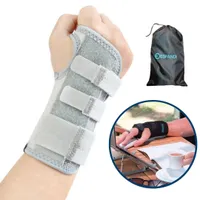
Wrist Pain and Mouse Wrist: When to Wear a Wrist Brace and How to Choose One, for Office Workers
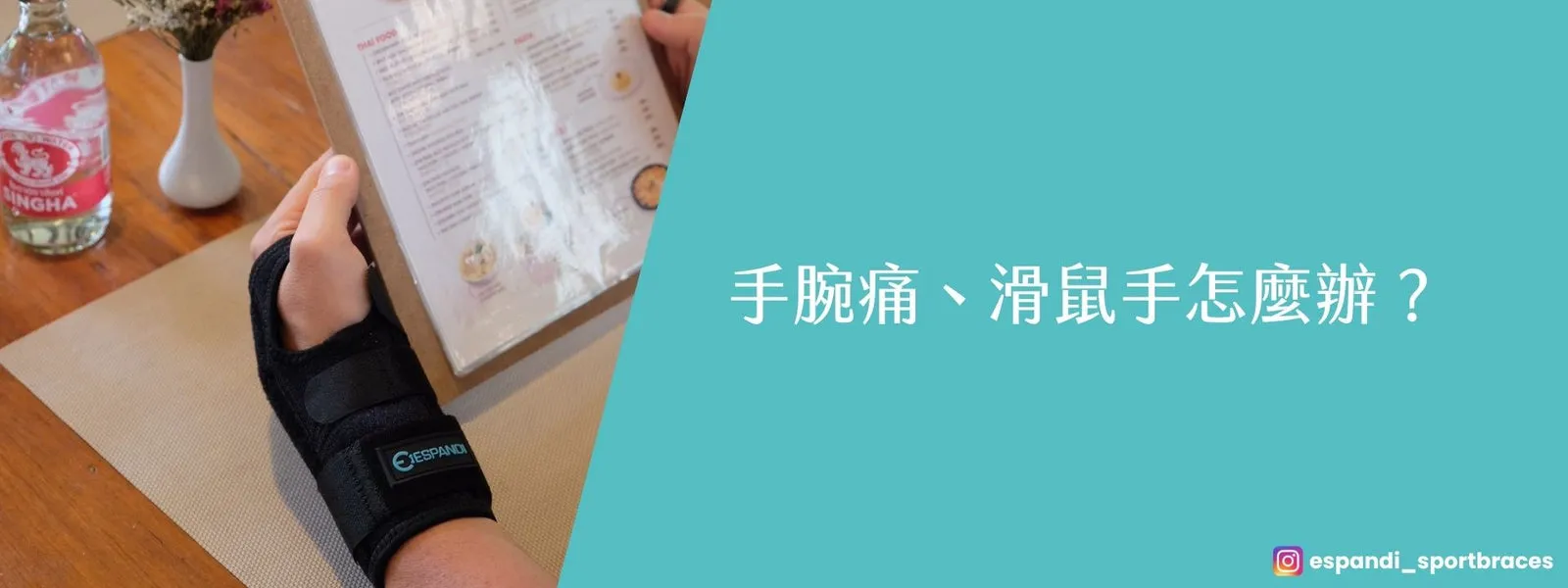
The short answer: "mouse wrist" is the everyday name for carpal tunnel syndrome: long hours of typing and using a mouse keep the wrist in the same position over and over, and the nerve inside the carpal tunnel gets compressed. Early signs include a tingling wrist after typing, stiff fingers in the morning and a sharp pain when you use force. The key is to adjust your mouse and wrist height and move your wrists every hour; a wrist brace can be used as an aid. If the pain lasts more than two weeks or your fingers go numb, see a doctor.
This article is general health information. Braces give support and a posture reminder and do not treat any condition. See a doctor if you have symptoms.
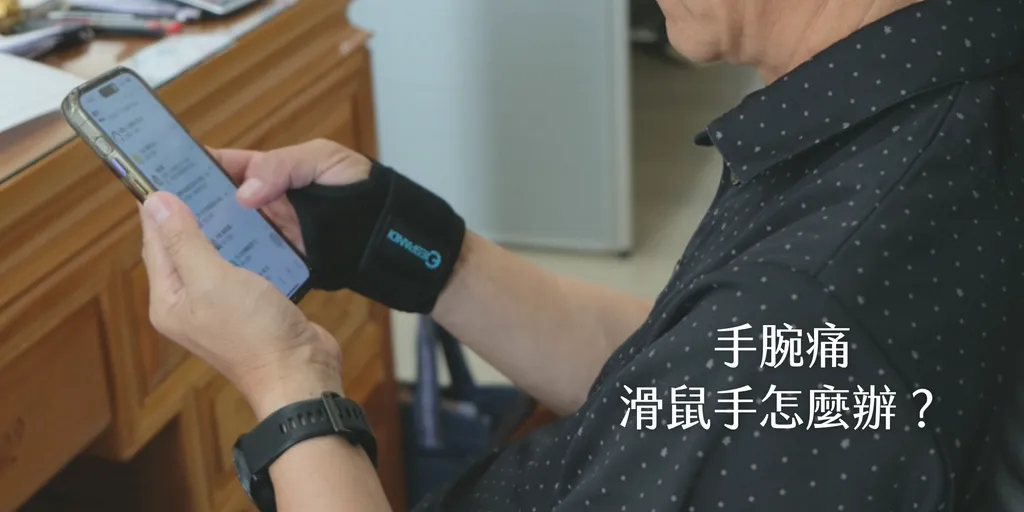
Do you know the feeling? It's three in the afternoon at work and your wrist suddenly feels a bit off. You shake it out and it's still uncomfortable, but not painful enough to make you put the mouse down.
Most people just carry on. Then "a bit off" slowly turns into "the odd sharp twinge", until one morning you wake up and can barely bend your wrist - and only then do you realise it might be serious.
This article is about that journey from "ignoring it" to "regretting it", and how to look after your wrists properly before they give out.

What is your wrist actually dealing with?
Many people don't realise how intricate the wrist is. Tendons, nerves and ligaments are packed tightly through a narrow passage called the "carpal tunnel".
When you type and use a mouse for long hours every day, the wrist holds the same position over and over, and those tendons keep rubbing and swelling inside the carpal tunnel. Over time the nerve starts to be compressed - this is carpal tunnel syndrome, the medical name for "mouse wrist".
Every year in Taiwan, large numbers of office workers see a doctor about this, and many more have no idea they're already heading that way.
These 4 symptoms mean your wrist is asking for help
You don't need to wait until it's "really painful" to take it seriously. If two or more of these early signs appear, it's time to pay attention:
1. A tingling feeling in the wrist after typing Not actually numb, just not quite right and a little uncomfortable, and it goes away after a rest - a typical early reaction to nerve compression.
2. In the morning your fingers need "loosening up" before they move normally Morning stiffness is one of the signs of chronic inflammation.
3. A sharp pain when you use force with the wrist For example, turning a jar lid, carrying something heavy or wringing out a towel hurts as soon as you apply force, which means the tendon or nerve is already inflamed.
4. Certain positions make the wrist uncomfortable For example, bending the wrist up or down more than 30 degrees brings a feeling of pressure or discomfort - usually an early sign of carpal tunnel syndrome.
If you have any of these problems, don't rush to buy something. It's best to see a physiotherapist for an assessment first to find out whether it's the tendons, ligaments or nerve, so you can choose a wrist brace that actually suits you.
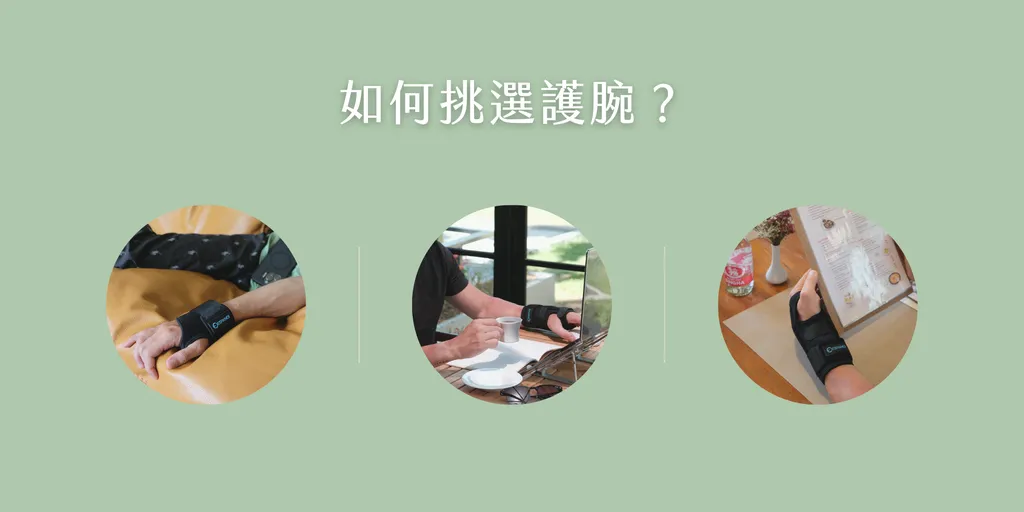
A wrist brace doesn't just work the moment you buy it - understand this first
There are many kinds of wrist brace on the market, but most people only look at "how snug it feels" and ignore "which direction it supports" - the most common buying mistake.
Wrist braces fall broadly into three types:
Type one: soft elastic wrist support (warmth + light support)
Suits: long hours of typing, mild discomfort, everyday support. Material: neoprene or elastic fabric. Features: thin, breathable, doesn't get in the way of hand movement. Not suitable for: obvious pain or situations that need immobilising
Type two: rigid wrist brace (with metal or hard support stays)
Suits: the acute inflammatory phase, or when a doctor advises resting the wrist in a brace. Features: keeps the wrist in a neutral position and limits its range of movement. Note: wearing it for long periods should be combined with rehab exercises to avoid muscle wasting
Type three: thumb wrist brace (for the base of the thumb)
This is a different problem. If the pain is at the base of your thumb, it's usually De Quervain's ("mummy thumb", a form of tenosynovitis), and the wrong support simply won't help.
👉 Further reading: Pain at the base of your thumb so bad you can't turn a door handle? You may already have De Quervain's

When choosing a wrist brace, these 5 details matter more than the brand
1. Check where the support stay sits If the metal stay is in the wrong place, it won't help and may even keep your wrist in the wrong position for longer. Try it on before you buy and check that your wrist sits in a "natural, neutral" curve rather than being forced up or down.
2. Don't compromise on breathability Office workers wear a brace all day, and if it's hot and sweaty the skin can become irritated and chafed, until you don't want to wear it at all. Choose a style with ventilation holes or elastic fabric.
3. Don't buy a "one size fits all" style A difference of a centimetre or two around the wrist makes a big difference to the fit. To measure correctly, wrap a soft tape measure around the narrowest part of your wrist and check the brand's size chart.
4. Buy left and right separately Many people miss this - wrist braces come in left and right versions because the support stay faces a different way. Buy the wrong one and everything points the wrong way, which is as good as not wearing it.
5. Buy from a reputable brand with clear labelling Legitimate brands clearly show the materials, sizing, manufacturer and customer service details on the packaging. With poorly labelled products, the material safety and the quality of the support are unknown.
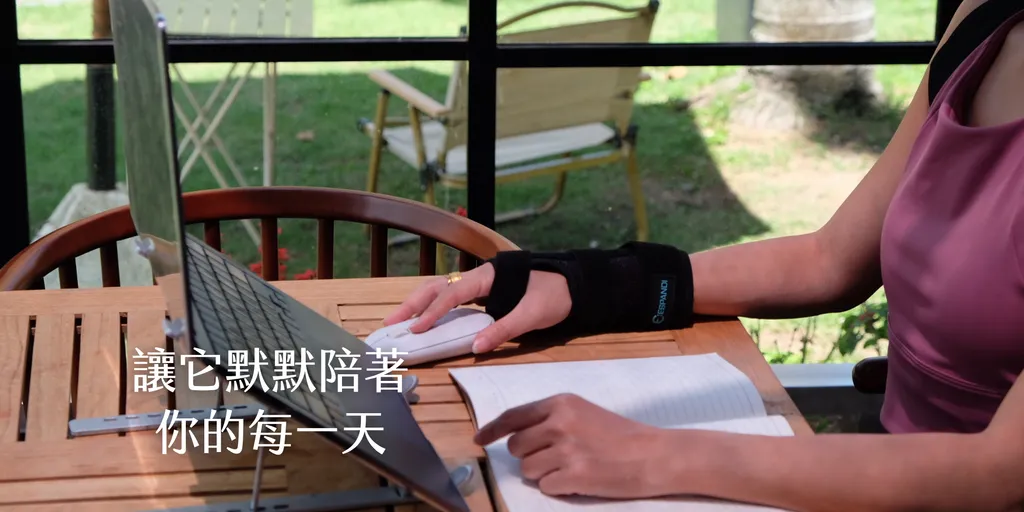
Espandi Sport wrist braces have support stays shaped to follow the curve of the wrist, and are suitable for wearing for long hours at the office.
Beyond a wrist brace, you also need to do these things
A wrist brace is an aid, not a treatment. If you just wear a brace and change nothing else, your wrist will only get worse.
Adjust your working posture Your mouse should keep your wrist level with, or slightly below, your elbow. Your wrist shouldn't hover in mid-air - try adding a wrist rest in front of the mouse mat so it has something to rest on.
Loosen up your wrists once an hour A very simple routine: make a fist and slowly rotate your wrist 10 times clockwise and 10 times anticlockwise, then spread your fingers as wide as you can and close them again, 5 times. The whole thing takes less than two minutes and is very good for the tendons.
If it's serious, think seriously about physiotherapy If the pain lasts more than two weeks, or your fingers start to go numb, be sure to see a physiotherapist or orthopaedic doctor. Left too long, severe carpal tunnel syndrome may need surgery, which is far more trouble than you'd think.
👉 Further reading: How to choose a back support belt: 5 tips for finding the right one for you
Frequently asked questions
Q: How long should I wear a wrist brace? A: For everyday support, wear it throughout your working hours; there's no need to wear it 24 hours a day. In the acute inflammatory phase, follow your doctor's advice - it usually means anti-inflammatory medication plus 2–4 weeks in a brace. Don't stop the moment it feels better, as it very often comes back.
Q: Do I need to wear a wrist brace while I sleep? A: If your wrist is especially uncomfortable when you get up, your wrist position during sleep is probably wrong (many people tuck their wrist under their body without realising). In that case, consider wearing a rigid brace with a stay at night to keep the wrist in a neutral position while you sleep.
Q: Will wearing a wrist brace for a long time make my wrist weaker? A: That's a very good question. Keeping it immobilised for long periods really can make the muscles dependent on it. The right approach is to rest the wrist in a brace during the acute phase, then once symptoms ease, add rehab exercises to strengthen the wrist and gradually cut down how long you wear it, rather than relying on the brace indefinitely.
Q: What kind of wrist brace suits esports players or illustrators? A: Their needs are quite specific - they need support without losing the fine control of detailed movements. A soft, partial wrist support that only covers the lower wrist and leaves the thumb and fingers completely free is a good choice. Avoid rigid styles, which will affect precision.
Q: Will washing a wrist brace make its support worse? A: A soft elastic wrist support may lose a little elasticity after washing, so hand-wash it gently in cold water rather than putting it in the washing machine. For a rigid brace, remove the metal stays before washing, or rust will shorten its life.
Braces mentioned in this article
This article is general health information. Braces give support and a posture reminder and do not treat any condition. See a doctor if you have symptoms.
What customers say about the Aluminium-Stay Wrist Brace | Wrist Support for Computer Users, Adjustable Hook-and-Loop
Reviews are customers' personal experiences and do not represent product performance.
- ★★★★★
品質:品質看起來不錯 和圖片相符:和相片相符合 戴起來的感覺還不錯要試用看看 還蠻舒適不會有壓迫感
4*****x · 2025-07-09
- 30-day trial, returns accepted
- Ships from Taiwan in 1–3 days
- Sizing help on LINE
Keep reading

Pain at the Base of Your Thumb So Bad You Can't Turn a Door Handle? You May Already Have De Quervain's
Does the base of your thumb hurt when you turn a door handle or wring out a towel? You may already have De Quervain's tenosynovitis, often called "mummy thumb". This...

What Exercises Can You Do for a Bunion at Home? 6 Gentle Stretches, a Daily Routine and When to Stop
Big toe drifting further out of line, and wondering what you can do at home? Here are 6 bunion stretches that need no special equipment, each with reps and cautions,...
For Shop Staff, Nurses and Hospitality Workers: How to Get Your Feet Through a 10-Hour Day Standing
Sore feet from standing, aching soles after a full day on your feet, ankles so swollen by evening that your shoes feel tight - yet most advice only works once...